


Why Behaviour in PE is Like a Sporting Masterpiece
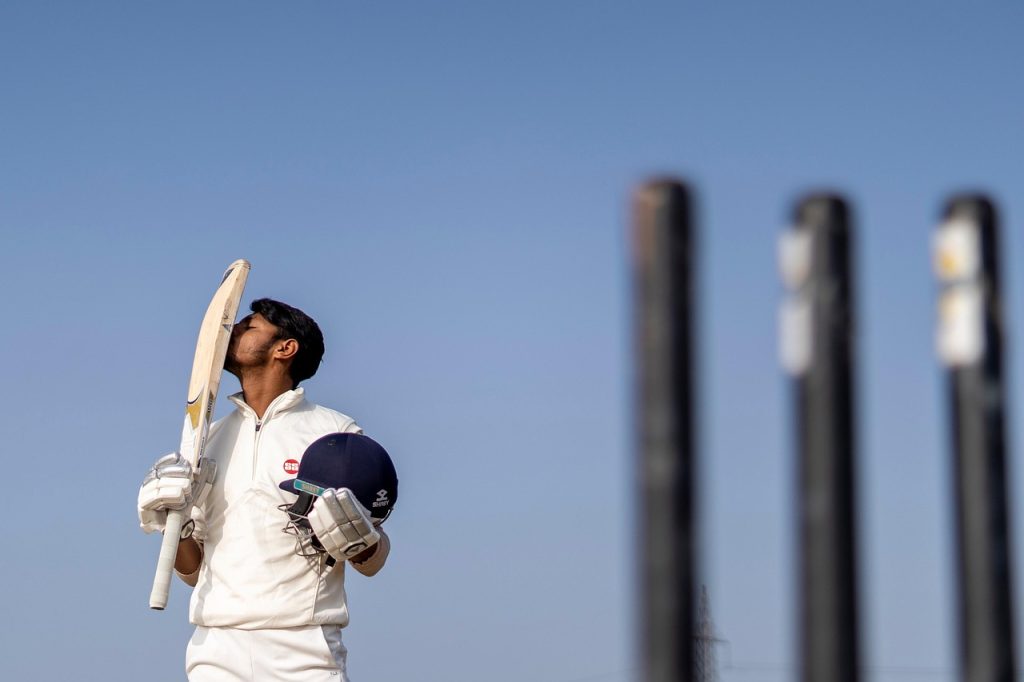
In sport, there are moments of absolute perfection: a snooker 147, a 9-dart finish, or six consecutive sixes sailing into the crowd. They’re rare, but when they happen, they’re unforgettable.
Behaviour management in PE can feel the same. Those lessons where transitions are seamless, routines are automatic, and students are motivated by praise rather than sanctions—those are the “perfect games.” They don’t happen by chance; they happen because the basics have been nailed and practised relentlessly.
The challenge for us as PE practitioners is this: how do we make those perfect lessons less of a one-off and more of a consistent reality?
Over the past 18 months, I’ve worked with nine different schools, and each one had a very different starting point.

In one school, the PE department was struggling with equipment chaos—students grabbing balls before instructions, kit going missing, and lessons starting in disorder. By tightening up expectations and explicitly teaching routines, behaviour improved almost overnight.
At another school, the issue wasn’t equipment, it was exits. The end of lessons looked more like a rugby scrum than a routine. Together, we developed a simple, consistent system for packing away, reflecting, and dismissing. The knock-on effect was calmer corridors and happier colleagues across the school.
In a whole-school project, the challenge was a culture of low expectations. Staff felt behaviour was “just how it is here.” By focusing on praise, clarity in modelling, and consistent routines, the school began to rewrite its story. Small wins built into big changes.
What struck me was this: while the contexts were different, the principles stayed the same—clear routines, high expectations, clarity in teaching, and a culture of recognition. The magic is in adapting these principles to fit the local context.
Below are my six focus areas for 2025–26 to sharpen behaviour management in PE. Each one is simple, but together they set a culture where both students and staff can thrive.
Reflection prompts:
- Where do you see echoes of these stories in your own school?
- Which principle—routines, culture, modelling, equipment, praise—could make the biggest difference if tightened up?
- How might you adapt ideas from other schools and within your own school to suit your setting?
1. Teach Transitions
Too often, transitions are treated as dead time. In reality, they’re teaching moments. Think of the chaos when half a class sprints to the basketball rack before you’ve explained the task, or when cones and bibs scatter in every direction. Those small lapses eat into learning time.
The shift: teach transitions like you would a skill.
- Walk students through them step by step.
- Practise until they’re automatic.
- Keep them consistent across the department.
Reflect:
- Do we explicitly teach transitions, or just expect students to know?
- Have we ever rehearsed them with classes?
- Do all staff follow the same approach?
2. Set the PE Culture
Culture is what students absorb the moment they step into your space. It’s built from routines, expectations, and the behaviours you choose to celebrate. If you don’t define it, the students will.
The shift: make PE culture intentional.
- Borrow successful routines from across the school—assemblies, lunch queues, classroom seating.
- Celebrate more than results: resilience, teamwork, and effort deserve recognition.
- Reinforce culture with displays, reminders, and parental communication.
Reflect:
- If an outsider walked into our department, what culture would they see?
- Do we only celebrate wins, or do we recognise effort and progress too?
- How do parents experience our culture?
3. Nail the Exit Routines
The end of a lesson often unravels the hard work of the previous 50 minutes: kit dumped in heaps, balls rolling away, students half-dressed as the bell goes. Sound familiar?
The shift: treat exits as a professional standard.
- Ensure routines are consistent, calm, and purposeful.
- Use them to reflect the values of the department.
- Support the wider school by releasing students in an orderly way.
Reflect:
- What do our current exit routines look like?
- Are they consistent across all staff?
- Do they leave students ready to re-enter the rest of the school positively?

4. Raise Equipment Expectations
Equipment can be a source of pride—or a constant headache. From hockey sticks being swung like lightsabers to basketballs dribbled mid-instruction, it often becomes the focal point of behaviour battles.
The shift: hold high expectations for equipment.
- Train staff and students on safe and proper use.
- Make boundaries clear and non-negotiable.
- Avoid avoiding: don’t skip using kit just because it’s “a hassle.”
Reflect:
- Do staff and students know exactly what’s acceptable?
- Are some pieces of equipment underused because of behaviour worries?
- Is AFPE safe practice accessible and understood by all staff?
5. Be Crystal Clear When Modelling
A demonstration is your most powerful teaching tool—but only if it’s clear. Ever shown a perfect technique, only to watch a student do something unrecognisable? That’s a clarity gap.
The shift: practise your demos.
- Break skills into manageable steps.
- Pair physical demonstration with clear, simple cues.
- Show variations for different abilities.
- Keep energy and enthusiasm high—students mirror your tone.
Reflect:
- Are our demonstrations practised, or improvised?
- Do we model inclusive alternatives so all students can access the skill?
- What’s our plan when a demo goes wrong?
6. Praise What You Want to See
Students rise (or fall) to the language we use. Too often, our energy goes into correcting a few individuals while ignoring the majority doing things right.
The shift: make praise your primary tool.
- Notice the behaviours you want repeated and spotlight them.
- Be specific: “great arm extension” is far more effective than “good job.”
- Share good news with parents and tutors to build wider momentum.
Reflect:
- What’s our praise-to-sanction ratio in lessons?
- Do we deliberately notice the “silent majority” doing things right?
- How do we feed success back to parents and the wider school?

Final Thought
Just like a 9-dart finish, perfection won’t happen every time. But by tightening up transitions, building culture, reinforcing exit routines, setting kit standards, modelling with clarity, and praising effectively, we move closer to those golden lessons where behaviour management feels effortless.
This isn’t about chasing perfection—it’s about raising the baseline so every lesson runs smoother, safer, and more inspiring.
Small tweaks, big impact.
Take it further: Links to research around the 6 areas.
Teaching Transitions:
The role of leaders in shaping school culture:
https://www.frontiersin.org/journals/education/articles/10.3389/feduc.2025.1541525/full?utm
What are routines and why are they important?
The role of modelling towards impacting quality education:
Teaching Physical Education Modelling:
Responses