



By Kate Reynolds
Like most curriculum leaders I have been slowly overhauling the PE curriculum to make it more relatable to the children we are now teaching in 2025. This has included a desire to integrate disability sports into the curriculum to foster a truly inclusive environment. By introducing activities such as boccia and new age kurling, I have seen first hand how these opportunities promote social inclusion through empathy, provide a sense of belonging, and allow students with Special Educational Needs and Disabilities (SEND) to excel.
The Current Landscape of PE for Disabled Students
Despite the well-known benefits of physical activity, disabled children are still less likely to engage in sport and physical activity at school. Research by the Activity Alliance indicates that only 25% of disabled children regularly participate in school sports, compared to 41% of their non-disabled peers. Additionally, a third of disabled children engage in less than 30 minutes of physical activity per day during term time.
To address these disparities, I have explored many initiatives such as the Youth Sport Trust’s Inclusion programme, and read as much as I can around inclusion in PE; Faith Newton’s Inclusive PE for SEND children is a great start. We decided that, as well as the many adaptive activities we teach, Boccia, Goalball and New Age Kurling were three sports we could easily include into our curriculum to make it more inclusive.
The Benefits of Including Disability Sports
Incorporating disability sports like boccia, goalball and new age kurling has transformed the way our students interact in PE. I have observed several key benefits:
Developing Empathy
Encouraging all students to participate in disability sports gives them an understanding of the challenges faced by their peers with disabilities. This shared experience fosters greater respect and teamwork within the class. It has also opened up conversations around disabilities in school and how we can better support our school community.
Creating a Sense of Belonging
By providing activities in which students with SEND can excel, we ensure they feel valued and integral to the school community. I have seen students develop confidence as they discover a sport they can thrive in, in both PE lessons and at representative level. Just like all other activities we encourage pupils to attend local clubs.
Expanding Skill Sets
Offering a diverse range of sports allows all students to develop a variety of skills and promotes a more inclusive, well-rounded PE experience. We often use these sports with our sports leaders to help them understand that active lives are for everyone.
Strategies for Promoting Disability Sports
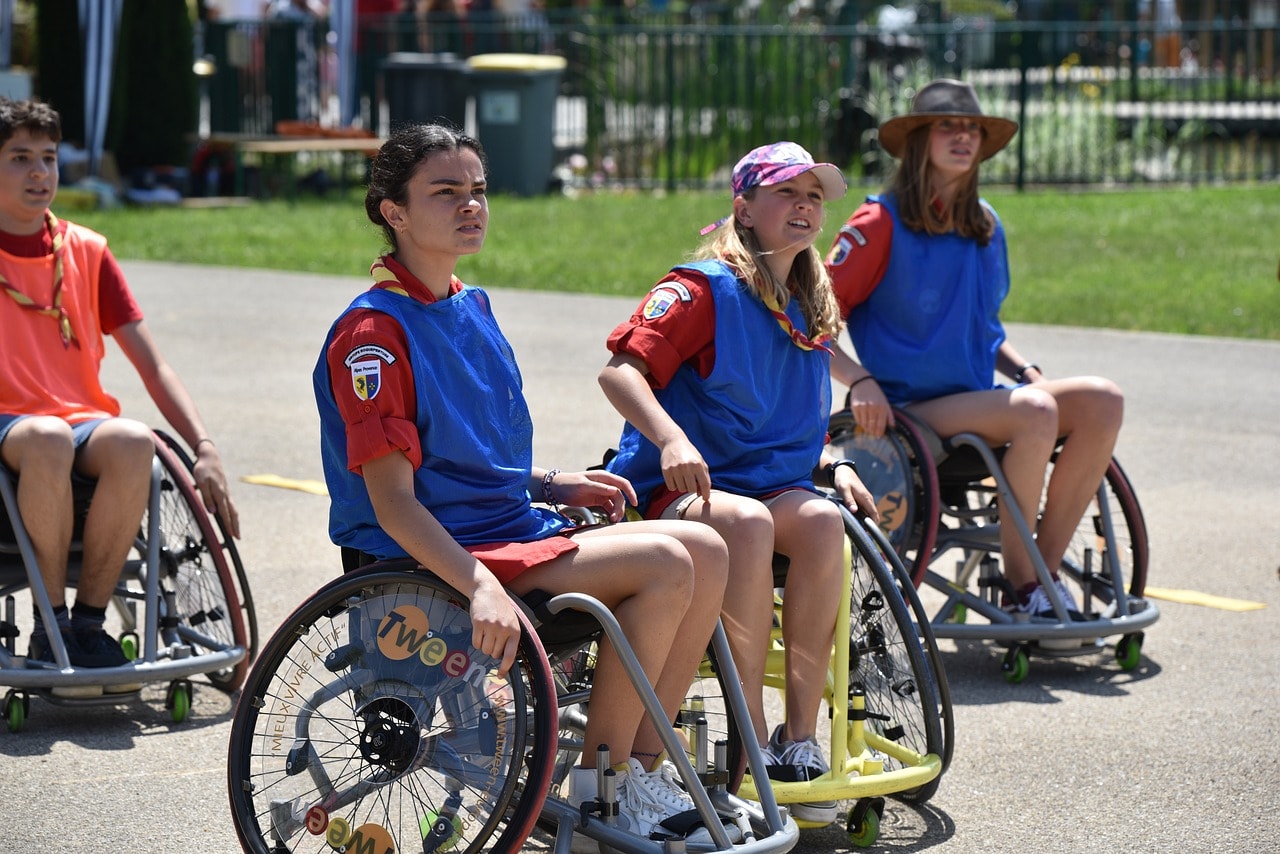
If you too want to include more disability sports into your curriculum here are several strategies I have used to ensure disability sports are embedded into the school culture:
- Enrichment Timetables: I have included disability sports as an option open to all students during enrichment sessions. This not only increases participation but also normalises these activities as an integral part of our school’s sporting offer.
- Representative Teams and Recognition: I have advocated for boccia, goalball and new age curling teams to be celebrated in the same way as traditional school sports teams. Recognising and rewarding success in these activities has significantly increased student interest and engagement. We work hard with our local sports partnership to make sure these sports are catered for just as much as the netball and football competitions, and regularly celebrate this on our social media accounts.
- Curriculum Diversity: As part of our curriculum development, I have ensured a variety of sports are available so that all students, regardless of ability, can find something they enjoy and succeed in. We used pupil voice to find out the most suitable options and came up with Boccia, goalball and New Age Kurling but there are many other activities you may wish to explore such as wheelchair activities if you have access to these.
- Borrow Equipment: If you are lucky enough to work closely with a sports partnership you may be able to borrow equipment before you buy it. This way you can gauge interest before spending your budget. You could also work with other schools and share equipment on a rotation. PE equipment never comes cheap but all the equipment we have bought has been a worthwhile investment. National disability sports organisations such as British Blind Sport advise on adaptive equipment and sports for those with visual impairments.
- Resources: There is a wealth of knowledge out there and many resources available to help teach new adaptive sports that staff may never have experienced before. Most NGBs have resources on their website and our Goalball kit came with easy to follow lesson plans.

The Need for a More Inclusive PE Curriculum – success stories.
One student, diagnosed with autism, used to avoid the sports hall altogether due to the overwhelming noise and fast-paced environment. When introduced to new age kurling in a quieter, more controlled setting, she found a sport where she could focus, strategise, and enjoy PE without anxiety. Her confidence grew, and she even started coaching her peers on technique, skills we had rarely seen as she was often a PE avoider.
Similarly, students with physical disabilities who often felt left out of traditional sports found a new love for boccia. The sitting nature of the game meant they could compete on a level playing field with their peers, and for the first time, they felt like they truly belonged in PE lessons. One student, who had previously opted out of most physical activities, became a key player in our boccia team and has taken pride in representing the school in competitions.
Perhaps one of the most profound changes I have seen is the impact on students with visual impairments. When we introduced activities that encouraged their classmates to experience what it’s like to play without sight, through blindfolded boccia or goalball-style challenges, there was a noticeable shift in empathy and understanding. One partially sighted student shared how, for the first time, she felt truly understood by her peers. Her classmates became more patient, more supportive, and more aware of the challenges she faced daily, making the school environment more inclusive beyond just the PE lesson.
These stories are just a few examples of how disability sports are not just about participation, they are about empowerment, understanding, and creating an environment where every student can find their place in sport.
A Call to Action
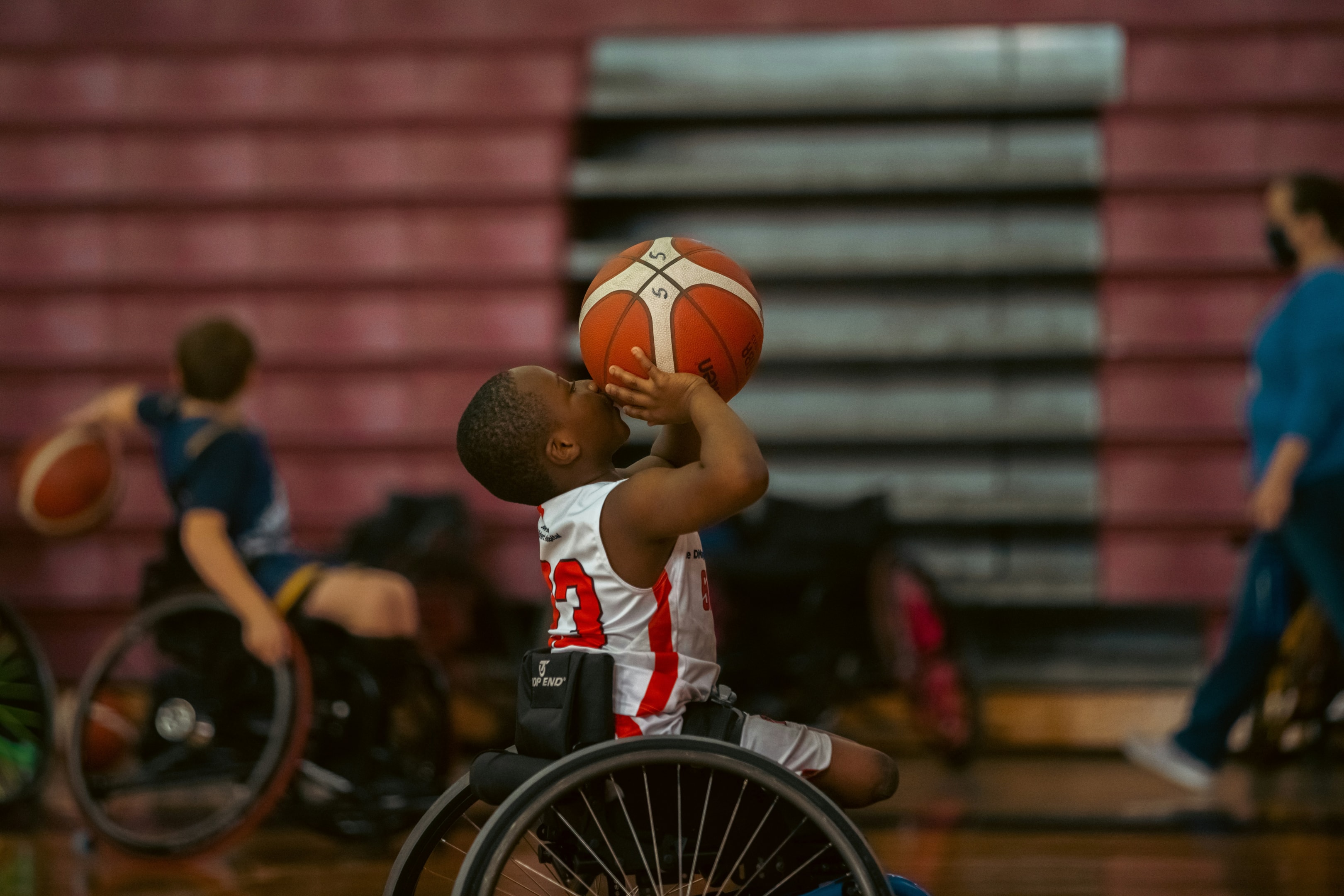
As a curriculum leader, I firmly believe that schools must create an environment where every student feels included. Integrating disability sports is not just about compliance, it’s about enriching the school experience for all students. By making these sports a staple in our curriculum, we are preparing students for a more diverse and inclusive society while promoting empathy, respect, and teamwork.
In my experience, embracing disability sports within PE is one of the most effective ways to foster inclusivity. Through careful planning and commitment, we can ensure every student has the opportunity to participate, succeed, and feel a genuine sense of belonging.
Responses