



As educators, we all recognise that children learn in different ways and at different paces and we regularly adapt our teaching to make learning more accessible. However, Maslow before Bloom then Gardner, Jung & Coleman Educating the whole child with needs, strengths, meaning & emotional intelligence by Dr Bryan Pearlman challenges us to look beyond those classroom adjustments and ask a deeper question: how often do we truly consider the wider needs of our students in order to help them move from simply coping to genuinely thriving? In a system that can sometimes feel dominated by test scores, data and academic interventions, it is easy to lose sight of the lived experiences children bring with them each day, particularly when it comes to emotional regulation and wellbeing.
In this book, Dr Bryan Pearlman builds on his earlier work by extending the conversation beyond basic human needs, weaving together the ideas of key thinkers to present a more complete, human-centred approach to education. By drawing on Maslow, Bloom, Gardner, Jung and Goleman, this book creates a layered understanding of development, from safety and belonging through to meaning and self-actualisation, reminding us that education is not just about what children know, but who they are becoming.
A brief overview of the research
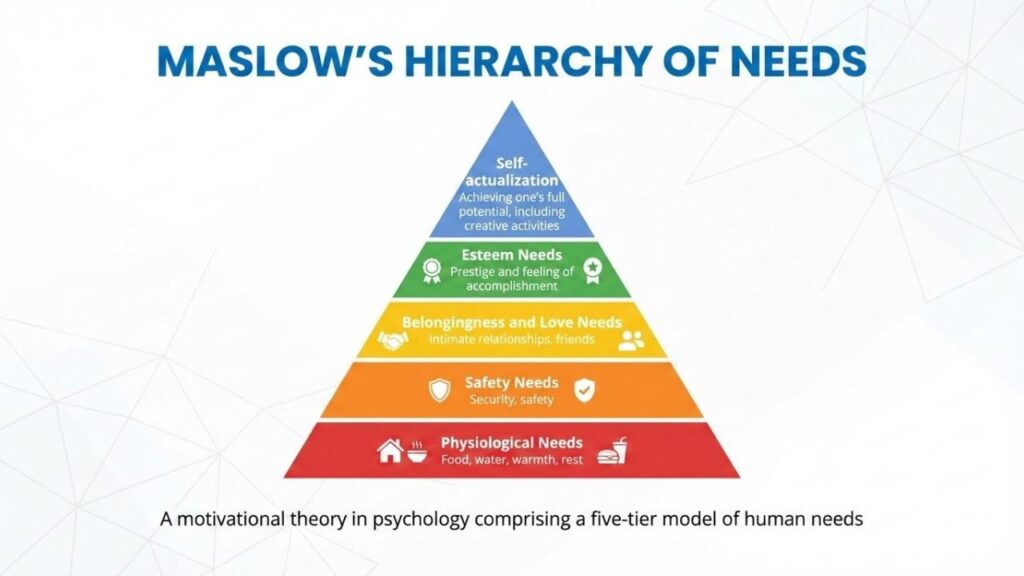
Maslow’s hierarchy suggests that effective learning requires first meeting students’ basic physiological and safety needs, followed by social, esteem and self-actualisation needs.
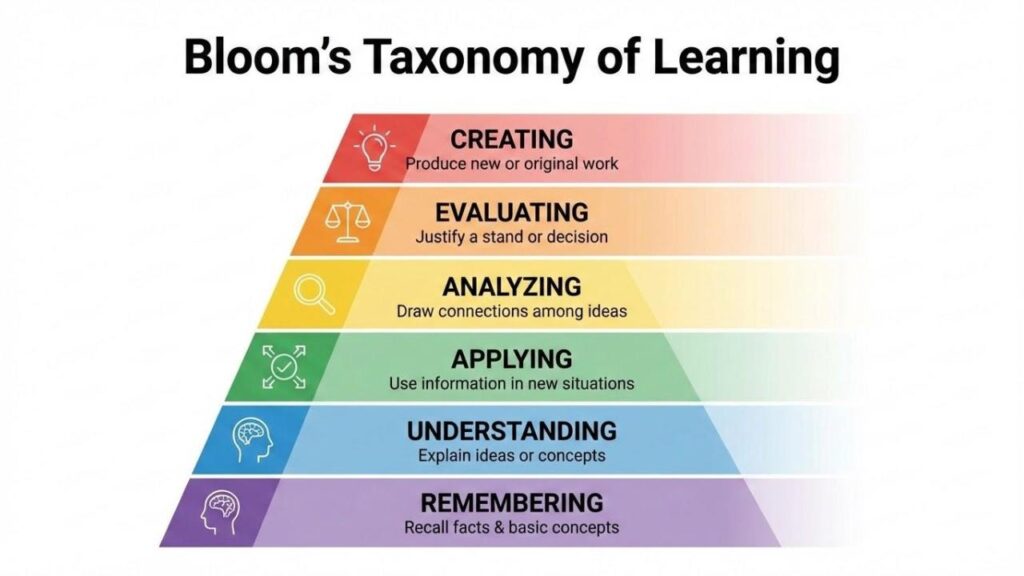
Bloom’s Taxonomy of learning suggests that education progresses through hierarchical levels of cognitive skills from remembering and understanding, to applying, analysing, evaluating and creating whereby mastery of lower levels supports higher-order thinking.
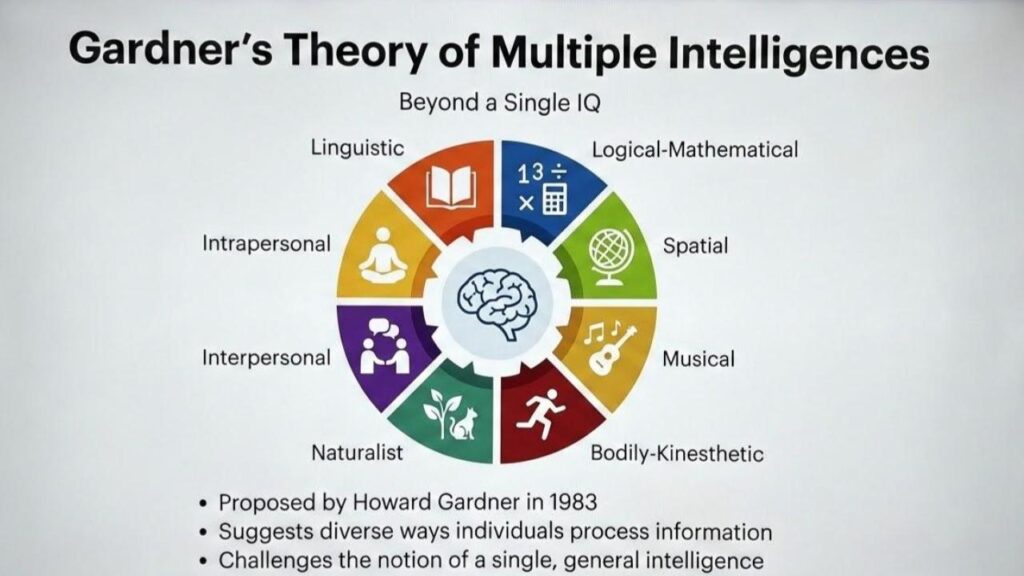
Gardner’s theory of multiple intelligences emphasises that students have diverse strengths, shifting the focus from “How smart is this student?” to “In what ways is this student smart?”
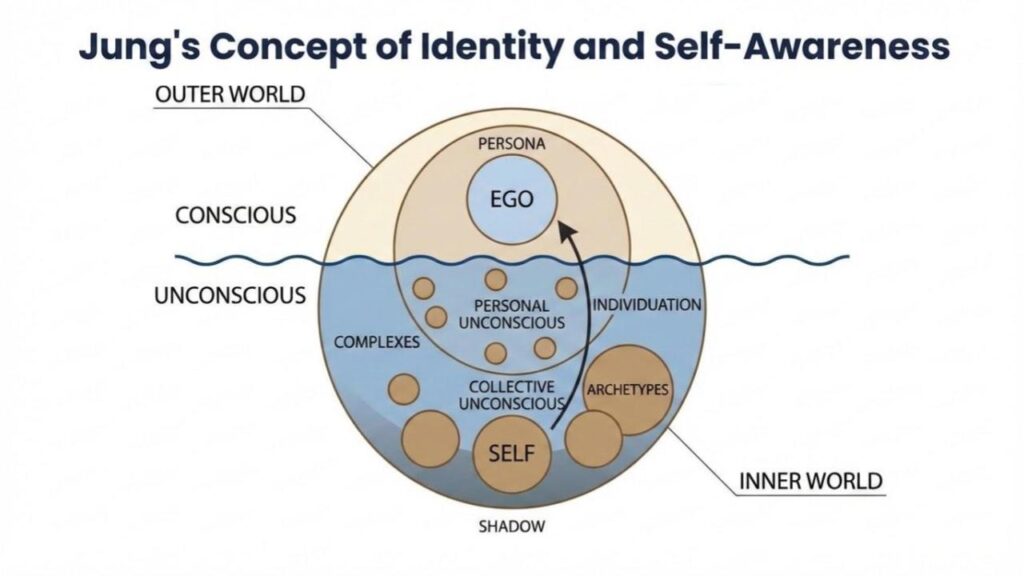
Jung’s concept of identity and self-awareness emphasises the importance of exploring what students believe about themselves and their purpose, helping them connect learning to their personal values, goals and sense of meaning.
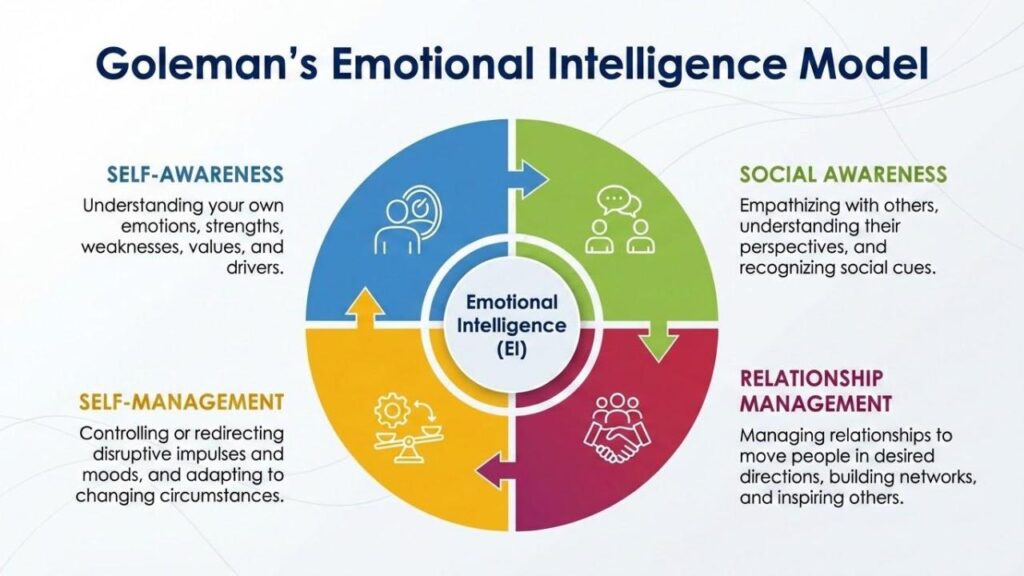
Goleman’s emotional intelligence model shows that for students to thrive, teaching must develop their self-awareness, self-regulation, motivation, empathy and social skills, as all five work together to support learning, relationships and personal growth.
Why is this important to teachers?
The earlier chapters of this book explore the traditional structures of schooling, where the focus has often been on control and behaviour management to maximise academic performance. Pearlman challenges this approach by emphasising the importance of educating the whole child through trauma-informed practice, creating environments where students feel safe, supported and able to grow in confidence. Rather than simply trying to correct undesirable behaviour, he encourages educators to pause and consider what that behaviour might be communicating. By understanding the root cause, we are more likely to address the need behind the behaviour rather than just managing its outward symptoms. Central to this is the role of strong, trusting relationships with a key adult. When a child feels a genuine sense of connection and knows they are valued, it creates the foundation for them to feel safe enough to engage, regulate and ultimately learn more effectively.
Pearlman turns his attention to the purpose of education, reflecting on how schools were traditionally designed to produce a workforce of compliant and efficient workers. He argues that the demands of today’s world call for something far deeper – an education that is meaningful and relevant to the lives students are actually living. In the UK, many of us will recognise that the current system does not always capture the full range of a student’s strengths, particularly when assessment is so heavily centred on exams. Pearlman explores the idea of personalisation through humanisation, encouraging educators to create learning experiences, classrooms (or sports halls!) that are flexible, relatable and, most importantly, purposeful. By reframing education as a process of human development, he highlights the importance of nurturing cognitive, emotional and social growth. This resonates strongly within PE, where developing physical literacy already reflects a holistic approach to learning. Pearlman promotes equity not by suggesting educators should lower expectations, but by recognisinge and responding to the individual needs, abilities and interests of each child, ensuring that every student has the opportunity to grow physically, emotionally, and socially.
What is most relevant to PE teachers?
In the later chapters of the book, Pearlman explores ways in which we, as educators, can apply and transform our learning environments to educate every child and, importantly, the whole child. Integrating the work of Maslow, Bloom, Gardner, Jung and Goleman, he offers a number of realistic and actionable suggestions that could enhance the learning experience for all students. For me, several stood out as particularly important when aiming to teach holistically and with compassion:
Differentiation, choice and reflection are key strategies for engaging diverse intelligences and promoting student voice. In a pressurised school environment, these can often be overlooked or deprioritised, yet they can have a significant positive impact, particularly for learners who may be harder to engage.
Authentic assessment and the need to assess what truly matters in order to inform future teaching, as well as the support and challenge provided to each child. As physical educators, many of us will recognise the frustration of trying to make PE assessment fit whole-school policies that often fail to produce meaningful or useful information for pupils or their families and can instead create unnecessary frustration.
Daily rituals and consistent practices are essential, as children feel safe in what they know and can predict. Sudden or unexpected changes can be unsettling and, for some of the most vulnerable learners, may cause real distress. It is worth reflecting on routines for changing rooms, equipment, teaching spaces, warm-ups and groupings. As teachers, consistency in our practice (alongside clear expectations and support for emotional regulation) is key to creating a safe and supportive environment.
CPD focused on trauma-informed, culturally responsive and human-centred practice, rather than purely compliance-based training. Too often, staff attend courses centred on specific sports, new topics or examination requirements. While new activities certainly have their place, it is worth considering how much more impactful and sustainable regular, trauma-informed CPD could be in supporting staff to engage and educate the whole child, regardless of the activity being taught.
Family and community engagement is central to educating the ‘whole child’ through a collaborative approach. This can be challenging within the demands of a busy school day but taking the time to connect – whether through phone calls, meetings, informal conversations with parents and carers, or attending community events – can significantly deepen understanding and strengthen our ability to support each child effectively.
Key takeaways
The earlier chapters provide a strong foundation of theory, understanding and practical strategies, but for me the most compelling part of the book comes towards the end. Here, Pearlman reflects on case studies and examples from his own practice, considering how he has, or could have, applied the work of Maslow, Bloom, Gardner, Jung and Goleman to better educate or support the whole child. Reading about the angry child who is repeatedly excluded, or the quiet child who feels unseen and unloved, I found myself reflecting on my own teaching practice thinking of moments where I did, or perhaps should have, taken a more humanistic approach to help a child move from feeling disengaged to a sense of purpose.
Pearlman reinforces that Maslow before Bloom is imperative; we must first ensure that basic needs are met before meaningful learning can take place. However, the book goes further than this. Meeting basic needs may support survival, but as educators we should be striving for far more; we want our students to thrive. This requires us to consider the wider picture. Gardner reminds us that intelligence is multifaceted and not confined to academic success (or solely physical competence within PE), and that a shift towards recognising what students can do, rather than what they cannot, could be transformative. Jung’s work highlights the importance of meaning and identity; every child needs to feel valued, to have purpose and to be seen in a positive light. Similarly, Goleman’s work on emotional intelligence prompts us to question whether we assume students already have the skills to understand and manage their emotions, or whether we should be more deliberate in teaching these – something that PE, in particular, is well placed to support.
This is a book that I feel should be on the reading list of every educator and trainee teacher. As practitioners, it is easy to become overwhelmed by the day-to-day demands of teaching – planning, assessment, reporting, behaviour systems and the pressure to meet endless expectations. Yet this book serves as a powerful reminder to pause and reflect on the children in front of us – after all this is why we do what we do, right? When we look again at the ‘disruptive’ or ‘quiet’ child, we may begin to see that we are missing a crucial part of their development as a whole person. Rather than viewing a child as ‘broken’ or beyond help, Pearlman encourages us to consider what sits beneath the surface and to use a more compassionate, informed approach to support, engage and ultimately educate the whole child.
A Quick Summary: Maslow Before Bloom
The core philosophy is that Maslow’s Hierarchy of Needs must be satisfied before Bloom’s Taxonomy of learning can begin. In a PE setting, a student who feels unsafe, hungry, or socially excluded (Maslow) cannot cognitively process complex skills or tactical strategies (Bloom).
Once the foundation is set, teachers can then apply Gardner’s Multiple Intelligences to diversify instruction, Jung’s personality types to understand student temperament, and Goleman’s Emotional Intelligence (EQ) to build the social-emotional skills necessary for teamwork.
Has this book review encouraged you to dive deeper into the book for yourself?
Responses