


Introduction
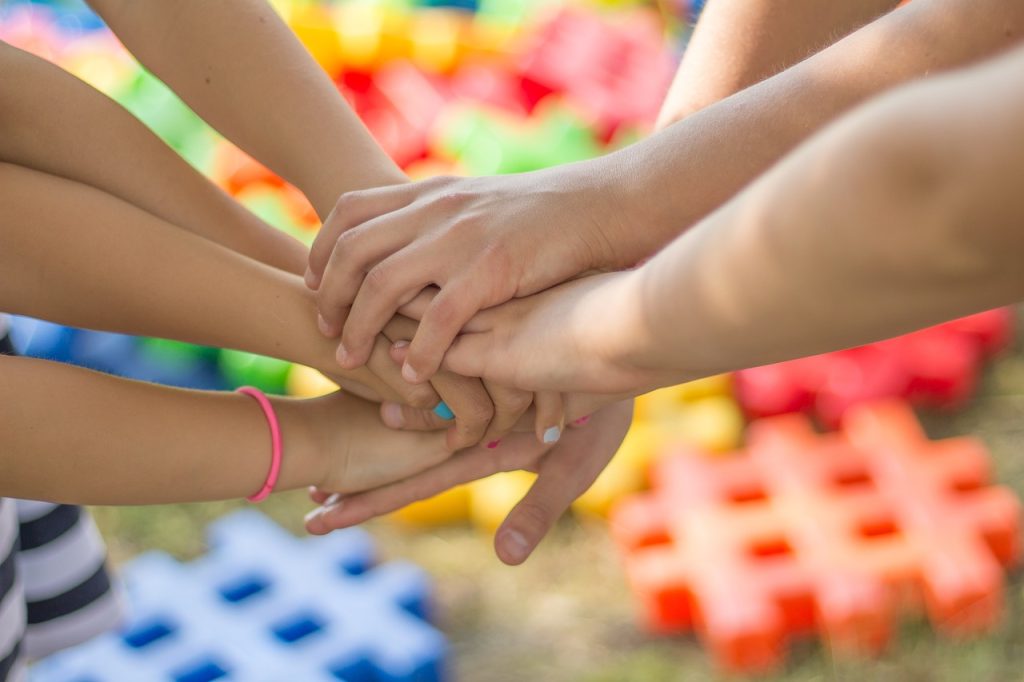
Cooperative learning in physical education (PE) is a powerful instructional approach that promotes collaboration, teamwork, and social interaction among students. Unlike traditional PE models that prioritise individual achievement and competition, cooperative learning emphasises collective success and mutual support. In this blog, we will unpack the key features of cooperative learning in PE, examining how it fosters positive relationships, enhances learning outcomes, and promotes lifelong participation in physical activity.
Goals of the Cooperative Learning model
Cooperative learning in PE is guided by several overarching goals that shape its implementation in classroom settings:
- Promote Social Skills: The primary goal of cooperative learning is to promote the development of social skills such as communication, teamwork, and conflict resolution. By engaging in collaborative activities and group projects, students learn to work effectively with others and build positive relationships with their peers.
- Enhance Learning Outcomes: Cooperative learning aims to enhance learning outcomes by providing opportunities for active engagement, peer support, and shared learning experiences. By working together to solve problems, master new skills, and achieve common goals, students deepen their understanding of content and develop higher-order thinking skills.
- Foster Inclusivity: Cooperative learning seeks to foster inclusivity by creating a supportive and inclusive learning environment where every student feels valued and respected. By promoting equal participation and shared responsibility within groups, cooperative learning ensures that all students have the opportunity to contribute and succeed.
- Promote Lifelong Participation: Ultimately, cooperative learning aims to promote lifelong participation in physical activity by instilling a sense of enjoyment, confidence, and competence in students. By providing positive social experiences and promoting a sense of belonging within the PE classroom, cooperative learning encourages students to continue engaging in physical activity outside of school.

Cooperative Learning strategy
To achieve these overarching goals, a cooperative learning strategy in PE outlines specific objectives that guide instructional practices and lesson planning:
- Develop Interpersonal Skills: Cooperative learning aims to develop students’ interpersonal skills by providing opportunities for collaboration, communication, and teamwork in the learning process. Through structured group activities and team-building exercises, students learn to listen actively, express their ideas clearly, and work collaboratively towards common goals.
- Promote Positive Relationships: Cooperative learning seeks to promote positive relationships among students by fostering a sense of trust, respect, and camaraderie within groups. By encouraging students to support and encourage one another, cooperative learning creates a positive and inclusive learning environment where every student feels valued and accepted.
- Enhance Academic Achievement: Cooperative learning aims to enhance academic achievement by providing opportunities for peer support, feedback, and shared learning experiences. By working together to solve problems, master new skills, and apply concepts in real-world contexts, students deepen their understanding of content and develop higher-order thinking skills.
- Encourage Active Participation: Cooperative learning encourages active participation by providing opportunities for every student to contribute and succeed. By structuring activities to promote equal participation and shared responsibility within groups, cooperative learning ensures that all students have the opportunity to engage in meaningful learning experiences.

Features of the Cooperative Learning model
Cooperative learning in PE is characterised by several key features that distinguish it from traditional instructional approaches:
- Small Group Collaboration: Cooperative learning emphasises small group collaboration as a means of promoting active engagement, peer support, and shared learning experiences. By working together in small groups, students have the opportunity to interact with their peers, exchange ideas, and learn from one another.
- Structured Group Activities: Cooperative learning utilises structured group activities and assignments to provide students with clear goals, roles, and responsibilities. By providing clear guidelines and expectations, cooperative learning ensures that students understand their roles within the group and can work together effectively towards common goals.
- Positive Interdependence: Cooperative learning promotes positive interdependence among group members by emphasising that the success of the group depends on the contributions of each individual. By highlighting the importance of teamwork and collaboration, cooperative learning encourages students to support and encourage one another to achieve shared goals.
- Individual Accountability: Cooperative learning emphasises individual accountability by holding each student responsible for their own learning and contribution to the group. By providing opportunities for individual reflection and self-assessment, cooperative learning ensures that students are accountable for their own actions and contributions within the group.
- Promote Reflective Practice: Cooperative learning promotes reflective practice by providing opportunities for students to reflect on their experiences, evaluate their progress, and set goals for future learning. By encouraging students to reflect on their strengths, weaknesses, and areas for improvement, cooperative learning fosters a growth mindset and a commitment to lifelong learning.
Implementing cooperative learning in physical education lessons
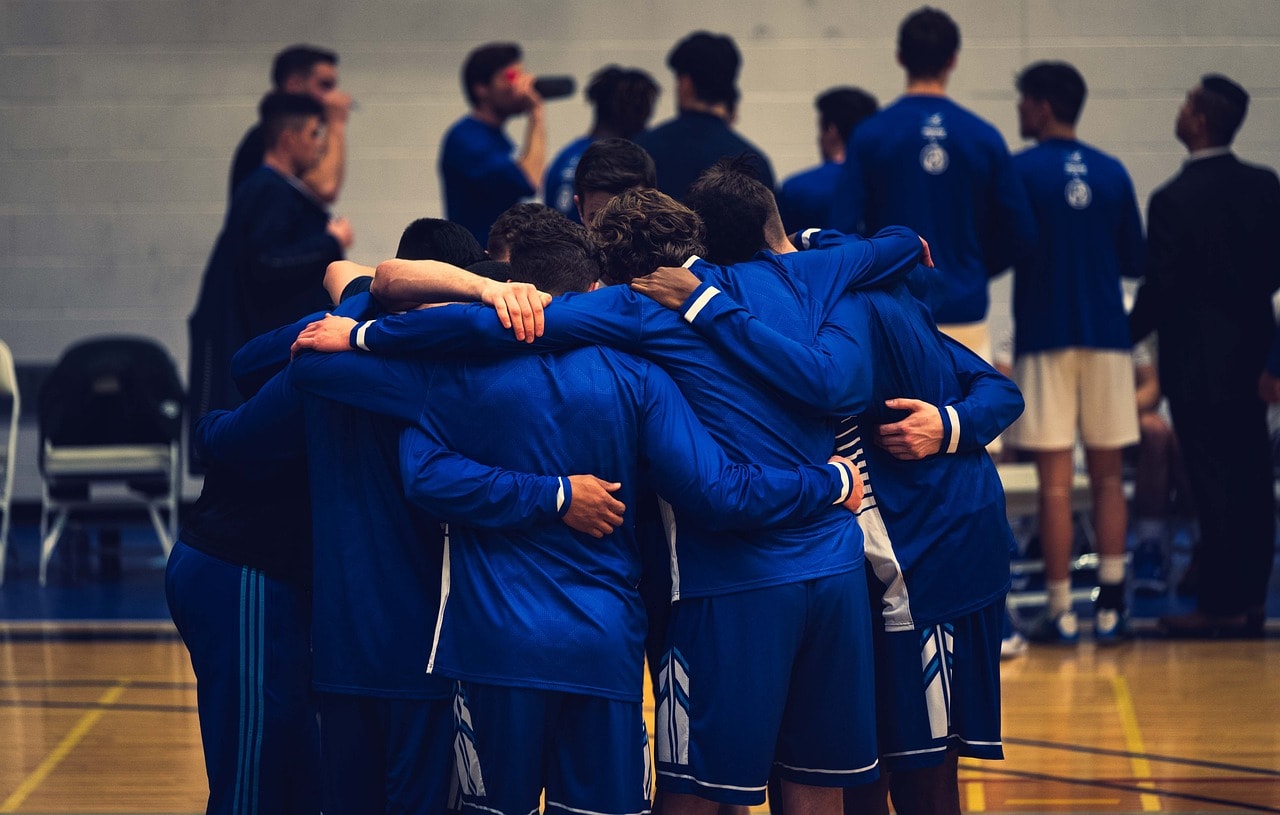
Below are some generic examples of how you could support a Cooperative Learning approach within a games-based context (KS2/3/primary/elementary school/middle school students):
Learning objective
- Be able to work together to maintain possession as a team.
- Recognise and understand attacking and defending roles within a game situation.
- Develop strategies to score points.
Specific activity
Set up a 4 vs. 4 invasion game (focus and equipment of choice). Designate the space, equipment and scoring system that the pupils will work in.
Pupils to establish their roles and position with the game.
After pupils have experienced the game a few times, collectively each team creates their own ‘team strategy’.
Spend time together as a team reflecting upon each period of play – the questions below might be helpful.

Reflective questions
● How effective was your team strategy? How do you know?
● What was your opposition’s strategy? Were they effective and how do you know?
● What did you learn about each other in the team and the roles you undertook?
● What would you change about the game and how you played it for next time?
Wider curriculum activities you could embed into a Cooperative Learning unit.
● Create a class charter of responsibility.
● What does cooperation mean? Design a cooperative learning word wall or a pupil led definition that is visible in each lesson.
● Discuss examples of why cooperation is important outside of Physical Education.
In conclusion
Cooperative learning in PE is a powerful instructional approach that promotes collaboration, teamwork, and social interaction among students. Merely placing children in teams, or asking pupils to work together, may not lead to collaboration taking place. The practitioner must plan to foster specific skills of teamwork, accountability, and reflection by placing children in situations where these skills are fostered and supported. By emphasising social skills, enhancing learning outcomes, and promoting lifelong participation in physical activity, cooperative learning prepares students to succeed both in the classroom and beyond. Through its goals, objectives, and key features, cooperative learning fosters a positive and inclusive learning environment where every student can thrive.
To find out more about cooperative learning in physical education
For a one-page summary of the Cooperative Learning model click here
Read this blog, which goes into detail about this pedagogical model
Courses
PE Scholar members have access to a wide range of courses including this bite-sized Models-Based Practice Course
Responses