



Introduction
Teaching Games for Understanding (TGfU) is a progressive approach to physical education (PE) that prioritises the development of students’ game understanding and decision-making abilities. Unlike traditional PE models that focus solely on sport specific units, skill acquisition and drills, TGfU emphasises the application of skills in game-like situations. This method not only enhances students’ physical abilities but also cultivates critical thinking, tactical awareness, and teamwork skills. In this blog, we’ll delve into the basic concept, goals, objectives, and key features of Teaching Games for Understanding in PE, exploring how it revolutionises the way we teach and learn sports and games.

Goals of TGfU
These are the basic tgfu concepts and goals that guide its implementation in PE classrooms:
- Game Understanding: The primary goal of TGfU is to develop students’ understanding of the fundamental concepts, strategies, and tactics involved in various games and sports. Instead of focusing solely on skill execution and teaching sport specific units, TGfU encourages students to comprehend the “why” behind their actions on the field or court.
- Critical Thinking Skills: TGfU aims to cultivate critical thinking skills by challenging students to make informed decisions in dynamic game situations. By analysing game scenarios, and assessing opponents’ strengths and weaknesses, students learn to think strategically and adapt their tactics as the game unfolds.
- Tactical Awareness: Another key goal of TGfU is to enhance students’ tactical awareness – their ability to recognise and exploit opportunities during gameplay. By engaging in small-sided games and modified versions of sports, students develop a deeper understanding of game dynamics and learn to anticipate and respond to changing circumstances on the field.
- Enjoyment and Engagement: By rethinking games teaching, TGfU prioritises enjoyment and engagement in physical activity by structuring lessons around game-based experiences that are inherently fun and motivating for students. By immersing themselves in meaningful game play, students are more likely to stay active and develop a lifelong appreciation for sports and physical activity.
Objectives of TGfU
To achieve these overarching goals, TGfU outlines specific objectives that guide instructional practices and lesson planning in PE classrooms:
- Skill Application: Instead of teaching skills in isolation, TGfU emphasises the application of skills within the context of game situations. Students learn to execute techniques effectively while under pressure and in response to the demands of the game.
- Game Appreciation: TGfU aims to foster an appreciation for the complexities and nuances of different games and sports. By exploring the strategic and tactical elements of gameplay, students gain a deeper understanding of the rules, strategies, and conventions that govern each sport.
- Decision-Making Abilities: Central to TGfU is the development of students’ decision-making abilities. Through guided practice and feedback, students learn to make informed decisions based on their assessment of game situations, opponents’ actions, and team dynamics.
- Collaboration and Communication: TGfU promotes collaboration and communication among students through cooperative gameplay and team-based activities. By working together to achieve common goals, students learn to communicate effectively, problem-solve collaboratively, and support their teammates.

Features of TGfU
TGfU is characterised by several key features that distinguish it from traditional PE approaches, these characteristics are also supported by four fundamental principles which were identified by Holt and colleagues in 2002.
- Game-Centred Approach: Unlike skill-centered approaches that prioritise isolated skill practice, TGfU centres around games as the primary context for learning. By engaging in game-based activities, students develop a deeper understanding of game dynamics and strategies.
- Sampling: This involves selecting games that offer a variety of experiences, showing similarities between different games, and leading to a better overall understanding of games. This broad approach helps students see the interrelated strategies across various games.
- Modified Games: TGfU utilises modified versions of sports and games to scaffold learning and provide appropriate challenges for students of varying skill levels. By gradually increasing the complexity of modified game situations, students can develop their skills and understanding at their own pace.
- Modification-Representation: This involves simplifying the game to make it suitable for the learners’ size, ability, and age while retaining the tactical structures of the full game. For instance, a mini modified game designed for children maintain key tactical elements but adapt the rules to their developmental level.
- Modification-Exaggeration: This technique uses secondary rules to exaggerate specific elements or tactical problems in the modified game, such as altering the court dimensions in net/wall games to emphasise spatial awareness.

- Small-Sided Games: TGfU often involves playing games that are small-sided (e.g., 3v3 or 4v4) to maximise participation, increase opportunities for skill practice, and enhance tactical awareness. Small-sided games create a more inclusive and dynamic learning environment where every student is actively involved in gameplay,.
- Guided Discovery: TGfU promotes guided discovery as a teaching method, allowing students to explore game concepts and strategies through problem solving and trial and error. By encouraging students to discover solutions independently, teachers facilitate deeper learning and empower students to take ownership of their learning.

- Reflective Practice: TGfU encourages reflective practice, where students critically evaluate their performance, decision-making, and strategies following gameplay. By reflecting on their experiences and receiving feedback from peers and teachers, students gain insights into their strengths and areas for improvement, fostering continuous growth and development.
- Inclusivity: TGfU is designed to be inclusive, ensuring that all students, regardless of their skill level or physical abilities, can participate and benefit from the learning experiences. This feature helps in promoting a positive and supportive environment where every student feels valued and capable.
- Tactical Complexity: This principle involves adjusting the complexity of tactical problems based on the type of game and the skill level of the players. By managing the number of decisions and the level of defense or space available, teachers can create appropriate learning challenges for different students.
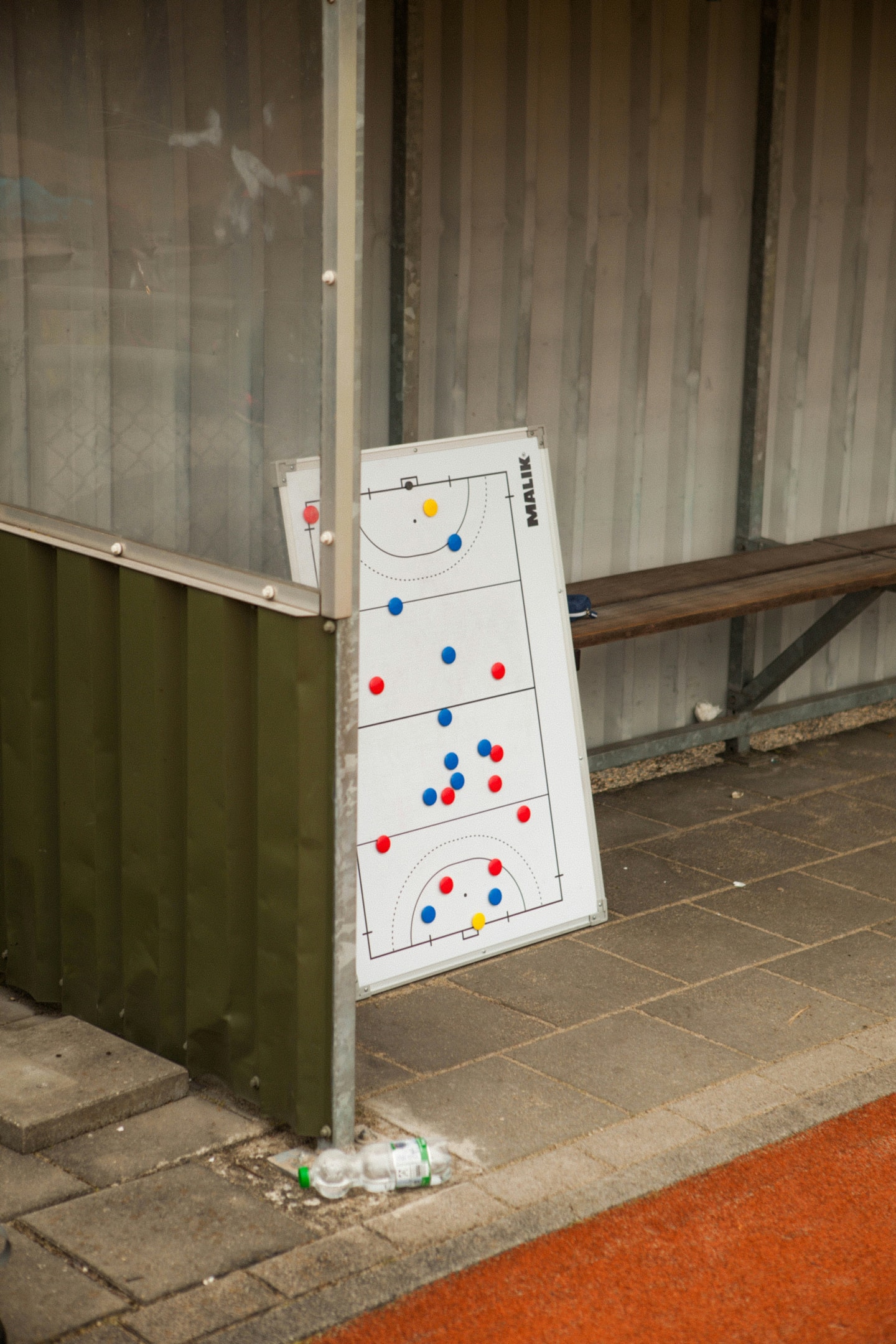
- Tactical Complexity: This principle involves adjusting the complexity of tactical problems based on the type of game and the skill level of the players. By managing the number of decisions and the level of defense or space available, teachers can create appropriate learning challenges for different students.
Conclusion
In conclusion, Teaching Games for Understanding represents a pedagogical shift in physical education, placing greater emphasis on game understanding, critical thinking, and tactical awareness. By engaging students in meaningful game-based experiences and providing opportunities for application of technical skills and decision-making, TGfU equips students with the knowledge, skills, and attitudes necessary for lifelong participation in sports and physical activity. Through its goals, objectives, and key features, TGfU transforms PE into a dynamic and engaging learning environment where students can thrive both on and off the field.
Reference
Holt, N. L., Strean, W. B., & Bengoechea, E. G. (2002). Expanding the teaching games for understanding model: New avenues for future research and practice. Journal of teaching in Physical Education, 21(2), 162-176.
Want to know more?
For a one-page summary about games-based approaches click here
For an introductory video to TGfU, click here https://www.pescholar.com/wp-admin/post.php?post=4587&action=edit
Courses
PE Scholar members have access to a wide range of courses including this bite-sized Models-Based Practice Course
Responses