


Introduction
A Game Sense approach to physical education (PE) prioritises the development of students’ game understanding and decision-making abilities. Game Sense seeks to immerse students in authentic game experiences where they can learn and apply technical skills in context. Unlike traditional skill-drill teaching methods that focus on mastering individual skills to be applied into a game, game-based approaches prioritise learning through games, particularly understanding the game, decision-making, and tactical awareness. In this blog, we will explore the goals, objectives, and key features of Game Sense, examining how it revolutionises teaching physical education.
Goals of Game Sense
Game Sense in PE is guided by several overarching goals that shape its implementation in PE classrooms:
- Enhanced Game Understanding: The primary learning outcome focus of Game Sense is to deepen students’ understanding of the fundamental concepts, strategies, and tactics inherent in various sports and games. Rather than focusing solely on skill acquisition, Game Sense encourages students to grasp the underlying principles that govern gameplay.
- Critical Thinking Skills: Game Sense aims to develop students’ critical thinking skills by challenging them to make informed decisions in dynamic game situations. By analysing game scenarios, assessing opponents’ strategies, and adapting their tactics accordingly, students learn to think strategically and act purposefully on the field or court.
- Tactical Awareness: Another key goal of Game Sense is to cultivate students’ tactical awareness – their ability to recognise and exploit opportunities during gameplay. Through immersive game experiences and guided debriefing sessions, students learn to anticipate and respond to the ever-changing dynamics of the game.
- Enjoyment and Engagement: Game Sense prioritises enjoyment and engagement in physical activity by structuring lessons around game-based experiences that are inherently fun and motivating for students. By fostering a positive and inclusive learning environment, Game Sense promotes lifelong participation in sports and physical activity.
Objectives of Game Sense
To achieve these overarching goals, Game Sense outlines specific objectives that guide instructional practices and lesson planning in PE classrooms:
- Skill Application: Instead of teaching skills in isolation, Game Sense emphasises the application of skills within the context of small sided games situations. By engaging in authentic gameplay, students learn to execute techniques effectively under pressure and in response to the demands of the game.
- Game Appreciation: Game Sense aims to foster an appreciation for the complexities and nuances of different sports and games. By immersing students in game experiences that highlight strategic thinking and decision-making, Game Sense encourages a deeper understanding of the rules, strategies, and conventions that govern each sport.
- Decision-Making Abilities: Central to Game Sense is the development of students’ decision-making abilities. Through guided practice and reflective debriefing, students learn to make informed decisions and discover movement solutions based on their assessment of game situations, opponents’ actions, and team dynamics.
- Collaboration and Communication: Game Sense promotes collaboration and communication among students through cooperative game contexts. By working together to achieve common goals, students learn to communicate effectively, problem-solve collaboratively, and support their teammates on and off the field.

Features of Game Sense
Game Sense is characterised by several key features that distinguish it from traditional PE approaches:
Authentic Game Experiences: Unlike skill-focused approaches that prioritise drills and isolated practice, Game Sense immerses students in authentic game experiences from the outset. By playing modified versions of sports and games, students develop a deeper understanding of game dynamics and strategies in a realistic context.
Example
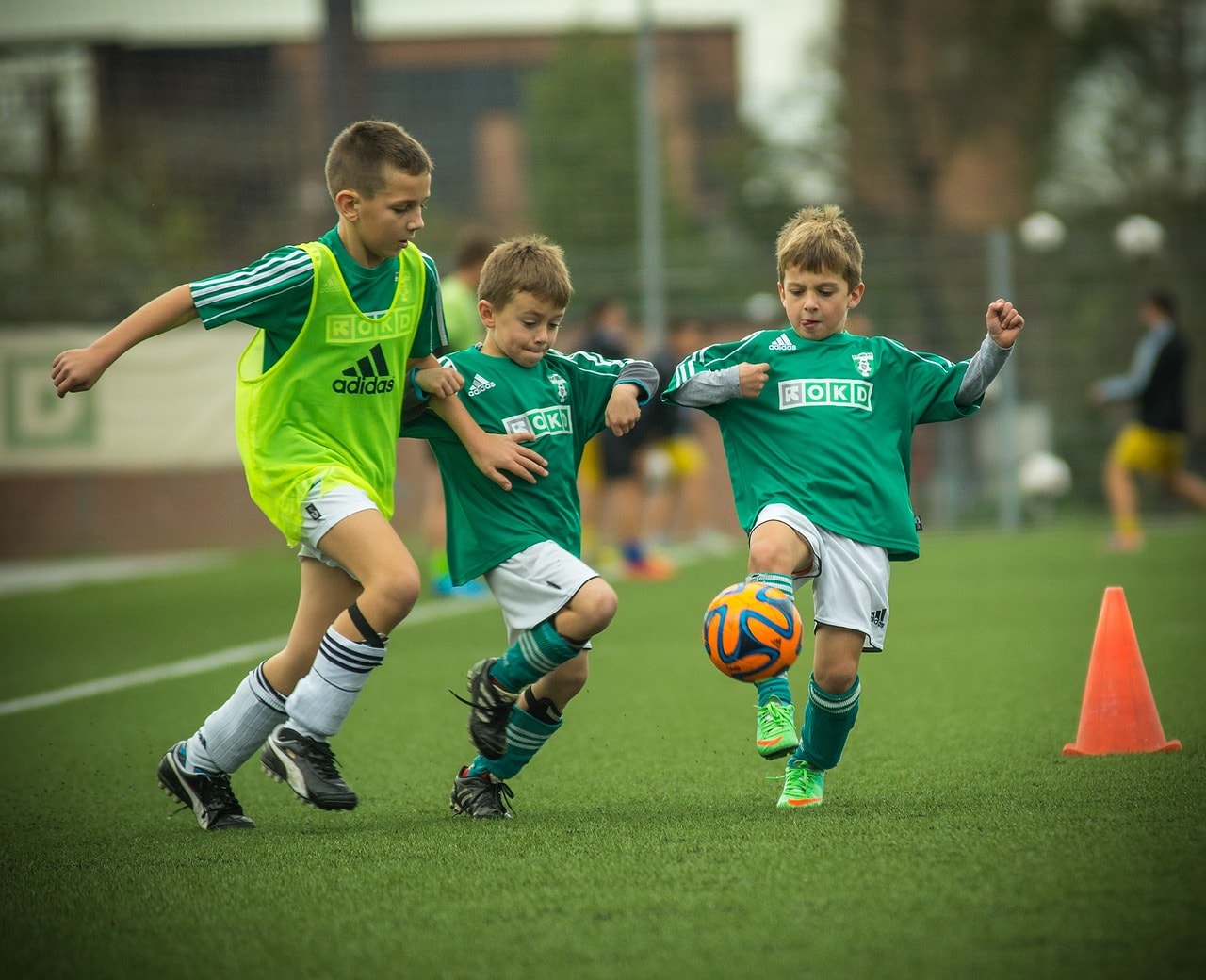
In a football lesson, students play a small-sided game that simulates real match conditions, allowing them to practise skills like passing, dribbling, and shooting in a dynamic and realistic environment.
Guided Discovery: Game Sense promotes guided discovery as a teaching method, allowing students to explore game concepts and strategies through trial and error. By encouraging students to discover solutions independently, teachers facilitate deeper learning and empower students to take ownership of their learning.
Example
During a basketball lesson, the teacher asks students to experiment with different ways to move the ball around defenders, encouraging them to discover effective passing techniques on their own rather than demonstrating every method directly.
Socratic Questioning: Socratic questioning is a technique that involves asking a series of thought-provoking questions to help someone understand their reasoning, and stimulate critical thinking. In Game Sense, teachers employ Socratic questioning techniques to stimulate reflection during gameplay. By posing questions, teachers prompt students to analyse game situations, evaluate their decisions, and consider alternative strategies.
Example
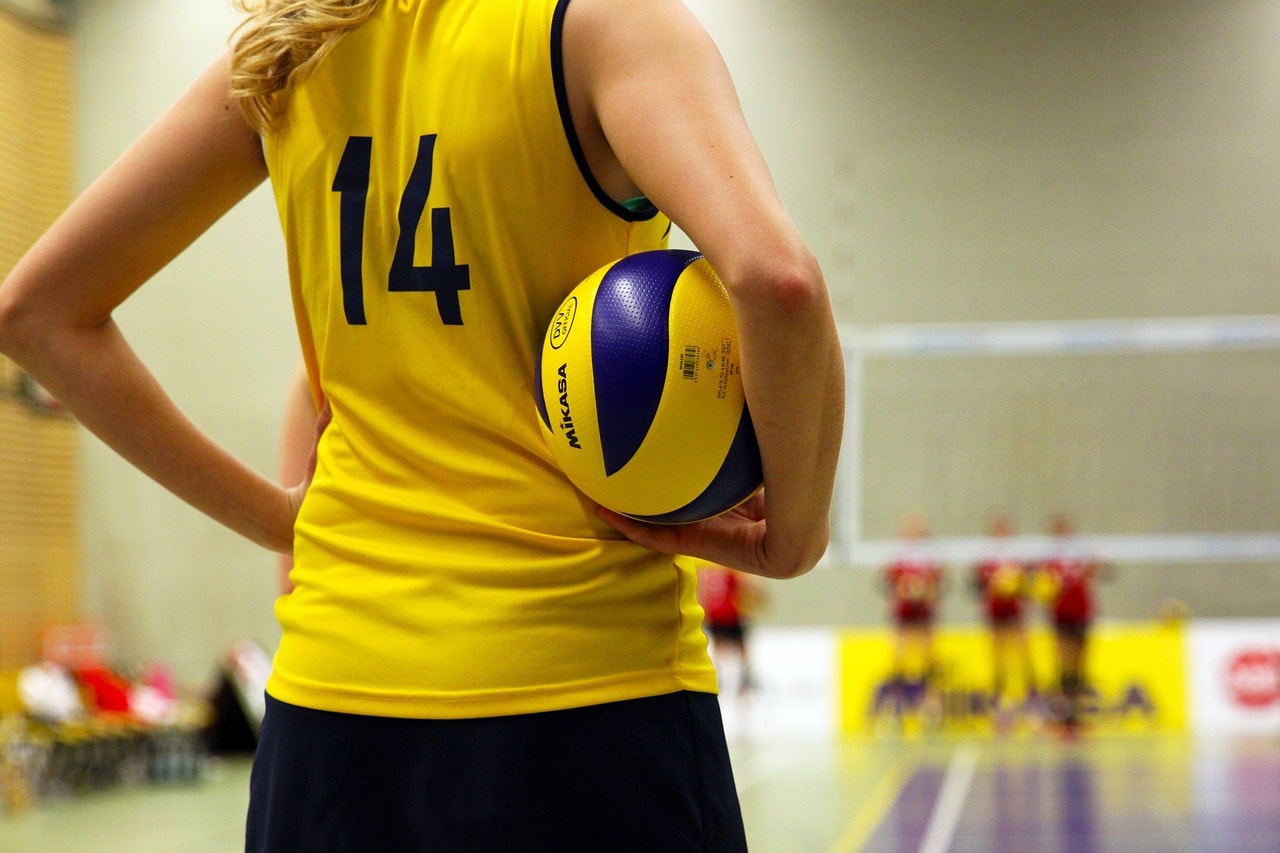
In a volleyball lesson, the teacher asks, “Why do you think positioning yourself closer to the net helps you block better?” prompting students to reflect on and articulate their understanding of court positioning.

Strategic Debriefing: After gameplay sessions, Game Sense emphasises strategic debriefing as a means of consolidating learning and promoting metacognitive awareness. Through structured discussions and reflection activities, students articulate their observations, identify patterns, and develop strategies for improvement.
Example
After a game of tag rugby, the teacher gathers the students to discuss what strategies worked best for scoring tries and how they can improve their defensive tactics, fostering a deeper understanding of game strategy
Inclusive and Adaptive: Game Sense is inclusive and adaptive, catering to students of varying skill levels, interests, and abilities. By providing appropriate challenges and opportunities for success, Game Sense ensures that every student can participate actively and experience success in physical activity.
Example
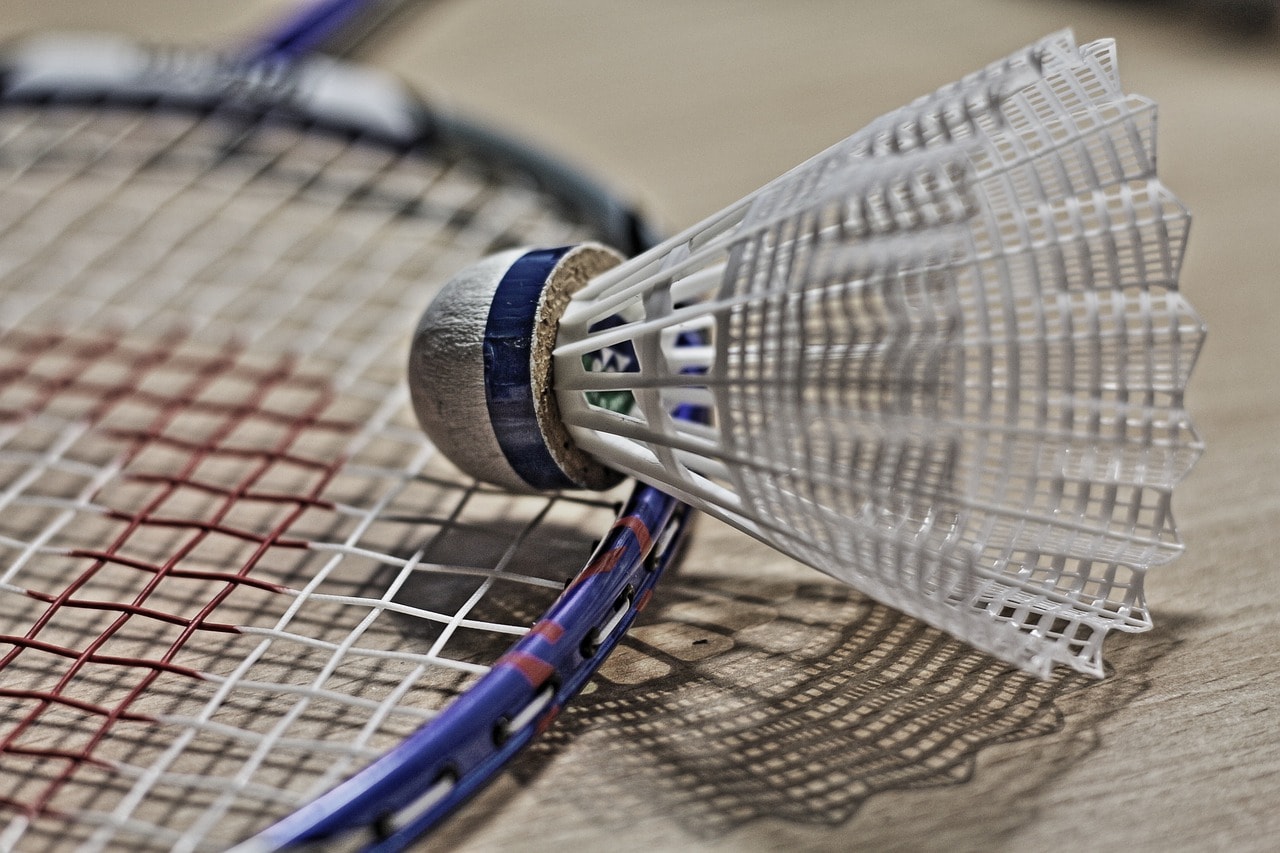
In a mixed-ability badminton lesson, the teacher modifies the game rules, such as allowing an extra hit or using larger rackets, to ensure all students can participate and enjoy the game, regardless of skill level.
Implementation ideas
Whole-Part-Whole Teaching: Begin by playing a full game to explore learning, then break down specific skills or tactics for focused practice. Finally, return to full game play to apply the newly learned aspects in a competitive scenario.
Modified Games: Start with simple game formats that have minimal rules to allow gameplay to begin quickly. Gradually introduce more modifications as students become ready.
Analyse and Discuss: Create opportunities for students to analyse their performance and discuss their ideas, promoting the development of ‘thinking players’.
Apply Different Constraints: Vary the conditions of the game based on students’ ability levels and the focus of learning. Not all students need to play under the same rules or conditions.
Student-Designed Games: Give students the opportunity to get creative and design games that work on key concepts, such as creating space or maintaining possession.
Be Patient: Understand that guided discovery takes time to show its impact on performance, but the learning is typically more enduring compared to traditional skill-drill teaching.
In conclusion
Game Sense represents a transformative approach to physical education that prioritises game understanding, critical thinking, and tactical awareness. By immersing students in authentic game experiences and providing opportunities for skill application and decision-making, Game Sense equips students with the knowledge, skills, and attitudes necessary for lifelong participation in sports and physical activity. Through its goals, objectives, and key features, Game Sense empowers students to become informed, skilled, and confident participants in a diverse range of sports and games.
Find out more about the Game Sense model
For a one-page summary about games-based approaches click here
To read about Perspectives on Game-Based coaching click here
Courses
PE Scholar members have access to a wide range of courses including this bite-sized Models-Based Practice Course
Responses