


Introduction
In this enlightening episode of the physical education podcast, host Nathan Walker meets former international decathlete and founder of Performance Pathways, Martin Brockman. Their discussion journeys through Brockman’s experiences as an athlete, coach, and educational innovator, unpacking key themes around performance, youth development, and the role of sport in physical education (PE).
From Multi-Sport Schoolboy to International Athlete
Martin Brockman’s sporting journey began modestly, labelling himself “the 11th player” in school teams. Not outstanding in any one event, he fell into decathlon—a sport made for the all-rounder—and gradually rose through the ranks. Despite a late start, he earned a Commonwealth Games bronze medal and competed at elite level for over a decade. While high jump was his best event, it was discus that grew into his favourite over time—appreciated more for its rhythm, flow, and technical nuance.

Coaching Career and Aspire Academy
Brockman began coaching as a teenager and transitioned full-time after retiring from competition. His big break came via Aspire Academy in Qatar, where he started with youth development (ages 11–14) before rising to lead the full athletic development pathway. His work focused on talent identification, multi-event training, and helping young athletes discover their strengths. He also built school partnerships and grassroots competitions in Qatar, raising the profile of athletics in a nation where competitive sport was not widespread.
Creating the Performance Pathways Platform
Frustrated by the lack of structured athletics resources for schools, Brockman created a five-level developmental curriculum, offering age-appropriate athletics content. What started as a personal project soon evolved into Performance Pathways, a digital platform helping teachers and coaches deliver quality PE across multiple sports. By aligning skill development and cognitive load across disciplines, the platform aims to support holistic learning and transferable physical literacy.
Redefining ‘Performance’ in PE
The term performance often sparks controversy in PE, but Brockman reframes it as a process, not an outcome. His philosophy? It’s not about winning, but about consistent growth. “What do you need to do to get better tomorrow?” becomes the central question. Performance includes physical, social, and emotional development. Brockman champions controlled challenge – ‘just enough stress’ to help learners grow. He advocates a ‘thirds model’: one-third for confidence-building, one-third for learning, and one-third for pressure-testing.
Goal Setting and Student Voice
Instead of individual SMART goals, Brockman used group-defined values to set behavioural standards and culture. Students at Aspire helped define how they wanted to be perceived, using words like prestige, which he used to foster accountability and ownership.
International vs UK PE: Key Differences
Martin reflects on how UK schools often shy away from competition for fear of discouraging less confident students. In contrast, many international schools—particularly British schools abroad—embrace competition in a way that boosts both performance and participation. These schools often field A, B, C, even D teams, and students are expected to work hard and get better, even if the environment remains inclusive and fun. This ethos extends across other areas like music and drama, fostering a strong culture of excellence and support.
Performance vs Participation Pathways in PE
Martin highlights the importance of offering choice in the curriculum:
- Some students love competition.
- Some enjoy sport but prefer a more recreational or social experience.
- Some may not be drawn to traditional sport at all.
“We must allow space for both a participation pathway and a performance pathway. It’s not about ability—it’s about preference.”
He shares how some high-performance schools offer options like competitive basketball vs. participation basketball, or even broader ‘games’ categories. Others offer non-traditional options like outdoor adventures for students not engaged by sport. Crucially, students should have autonomy to choose their own journey—even a high-performing athlete might prefer a participation pathway if they don’t enjoy competition.
Failure is a sign of effort and experimentation—and should be celebrated as part of learning. That confidence carries into life beyond PE.
Psychology in Sport and Teaching
Though Martin didn’t work with sports psychologists during his athletic career, he now recognises the value in psychological and emotional aspects of performance.
He emphasises purpose, resilience, and reflection—themes that have shaped his work more than purely physical outcomes.
On Legacy, Identity, and Purpose
Martin shares a powerful realisation from his post-athletics life:
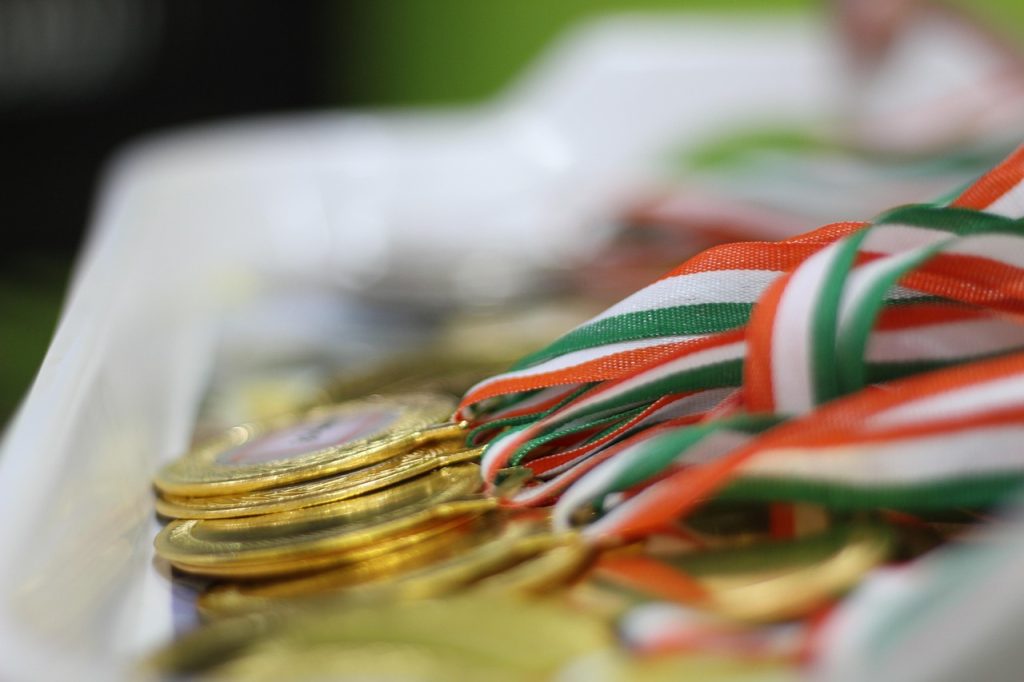
“I don’t even know where my medal is anymore. What stayed with me is how many people I inspired along the way. That’s the point.”
The medal became symbolic—not of the result, but of the journey and its impact on others.
Mantra / Coaching Philosophy
“If something goes well: well done, you.
If something goes badly: that’s my fault—we’ll fix it.”
He stresses that success belongs to the student. Failure is the teacher’s opportunity to support, coach, and teach resilience—not blame the child.
Controversial Take: Remove the 800m & 1500m From PE
Martin challenges a long-standing tradition – removing the 800m or 1500m in PE, which he says does not improve fitness or skills, and most kids hate it. He proposes using circuits, games, or shorter tactical sessions to teach pacing and endurance in ways that are engaging and skill-focused – saving the long-distance races for those who truly want to pursue them.
Golden Nugget for New PE Teachers
He advises new teachers not to obsess over finding the perfect activity or plan but instead focus on how they engage students across physical, mental, emotional, and social dimensions.
PE is not about teaching specific techniques, but helping students explore movement, identity, and self-development.
Final Thoughts
Martin expresses appreciation for the global PE community and how it continues to evolve. He sees his work as part of a larger movement toward more purposeful, student-centred physical education.
Conclusion
This wide-ranging conversation reflects Martin Brockman’s deep commitment to athlete-centred coaching and education-led sport. He calls for redefining performance as a meaningful, inclusive journey—one that empowers every child, not just the most competitive.
About the Guest
This episode is a conversation with Martin Brockman, ex-GB athlete and found of Performance Pathways
Connect with Martin
- www.performancepathways.co.uk
- via LinkedIn
Listen
To listen to the full episode please follow these links to Spotify or Apple podcasts.

Responses