


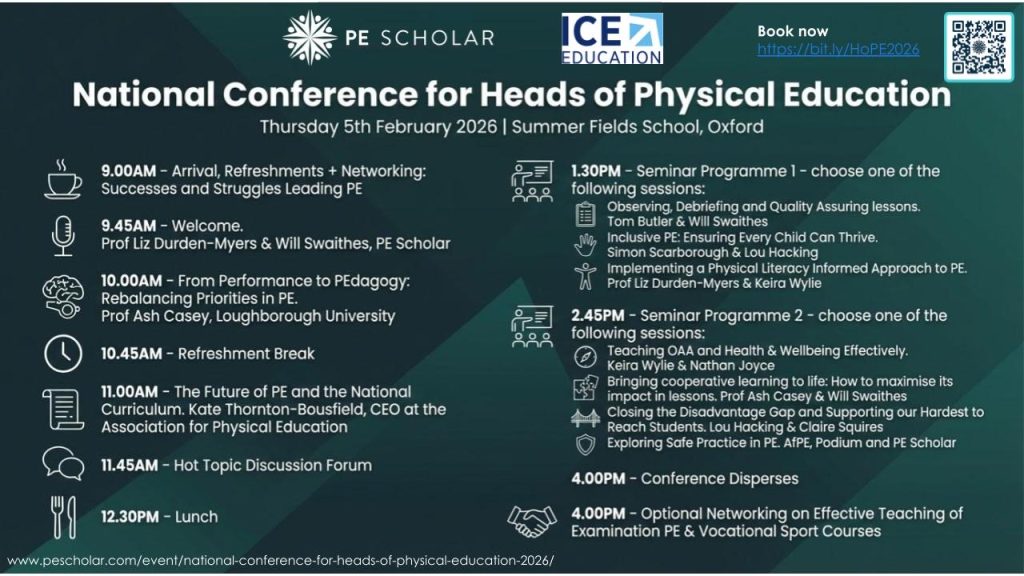
I drove home from Oxford with that kind of tiredness that only comes from a day spent thinking deeply and well. Not the weariness that follows a schedule packed with seminars and tasks, but the steady, satisfying hum that lingers after meaningful conversation and intellectual challenge. I had travelled to the ICE Heads of PE Conference simply to learn. I was not delivering, not representing, not performing. I was there to listen, to observe, to absorb.
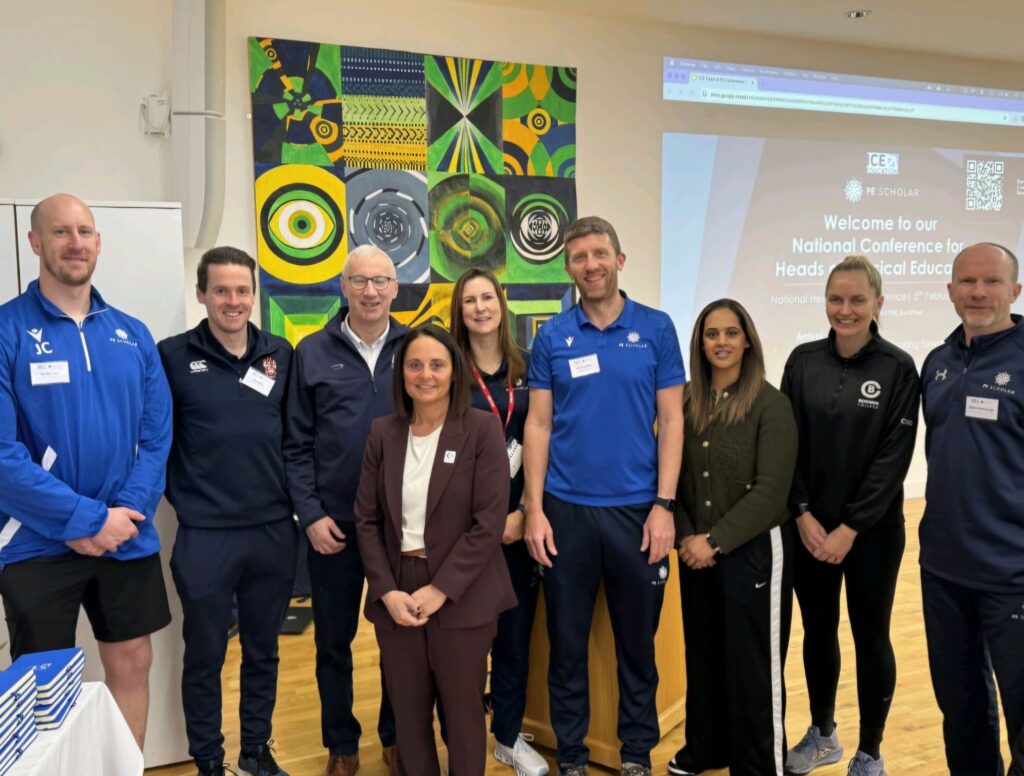
From the moment I arrived at Summer Fields School, there was a palpable sense of purpose. I could write an entire blog on the hospitality and the quality of the breakfast pastries, but it was invigorating to mingle with Heads of PE from different regions, contexts and phases, who had gathered with a shared understanding that our subject matters. The early conversations over coffee were animated and refreshingly honest. We spoke about recruitment difficulties, curriculum reform, the tension between examination demands and holistic entitlement, and the constant negotiation between extra-curricular performance and inclusive participation. There was no performative optimism. Instead, there was a collective seriousness underpinned by belief. Despite the pressures, nobody in that room was ready to compromise on what Physical Education can and should be.
From Performance to PEdagogy
The opening contributions from Professor Liz Durden-Myers and Will Swaithes set the tone beautifully; this was a safe space. There was warmth, clarity and conviction. It is energising to sit in a space where the value of your subject does not need to be defended before it is discussed. Too often, in our own schools, we are advocates first and educators second. In Oxford, we were simply professionals wrestling with important questions about learning.
Professor Ash Casey’s keynote on rebalancing priorities from performance to pedagogy was one of those sessions that settles into you gradually. His argument was not about diminishing performance; rather, it was about protecting pedagogy. Performance is visible. It photographs well. It appears in newsletters and on social media feeds. Pedagogy, by contrast, is slower and less glamorous. It requires thought, intentionality and a willingness to interrogate our own habits. As Ash unpacked the historical and cultural pull of performance within PE, I found myself reflecting on my own journey as a curriculum designer. It is easy to say that learning comes first. It is harder to ensure that every structural decision aligns with that principle.
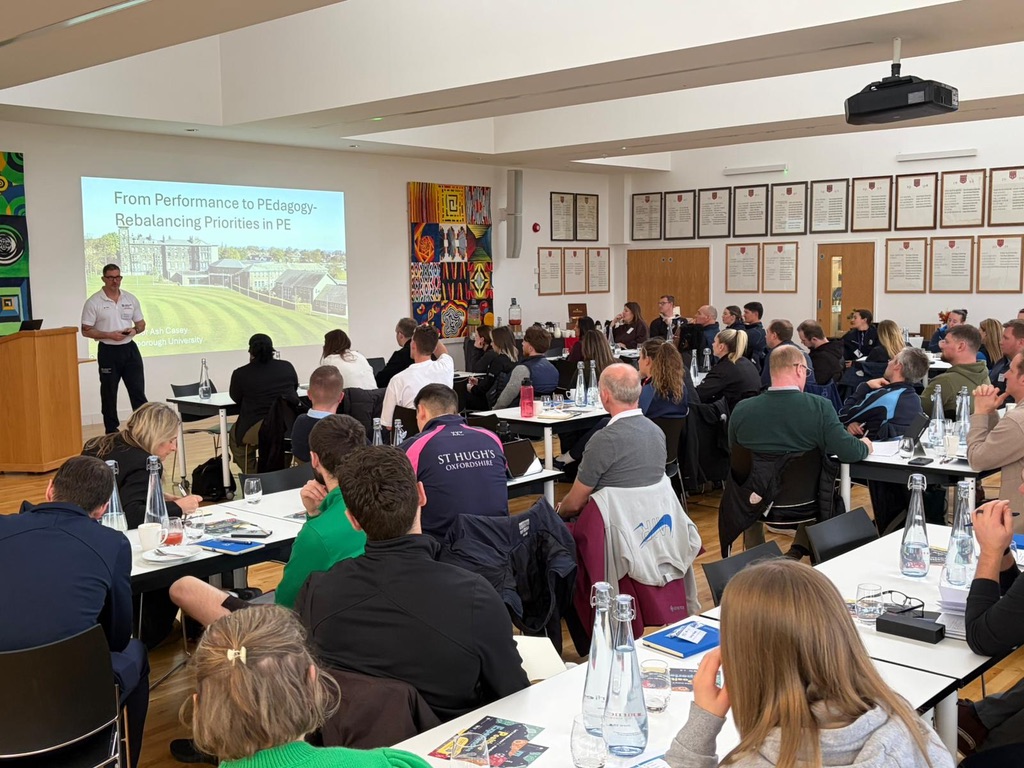
What stayed with me was the idea that when pedagogy leads, performance becomes a powerful expression of learning rather than its justification. That distinction matters enormously. It safeguards the integrity of our subject. It ensures that our lessons are not simply rehearsals for fixtures or assessments, but carefully designed experiences that build competence, confidence and motivation. Ash challenged the delegates to consider the “organising centres” of their curriculums and, referencing the words of David Kirk, conveyed that the presumed educational outcomes of Physical Education have all but disappeared. Change therefore, is afoot.
The Future of PE and the National Curriculum
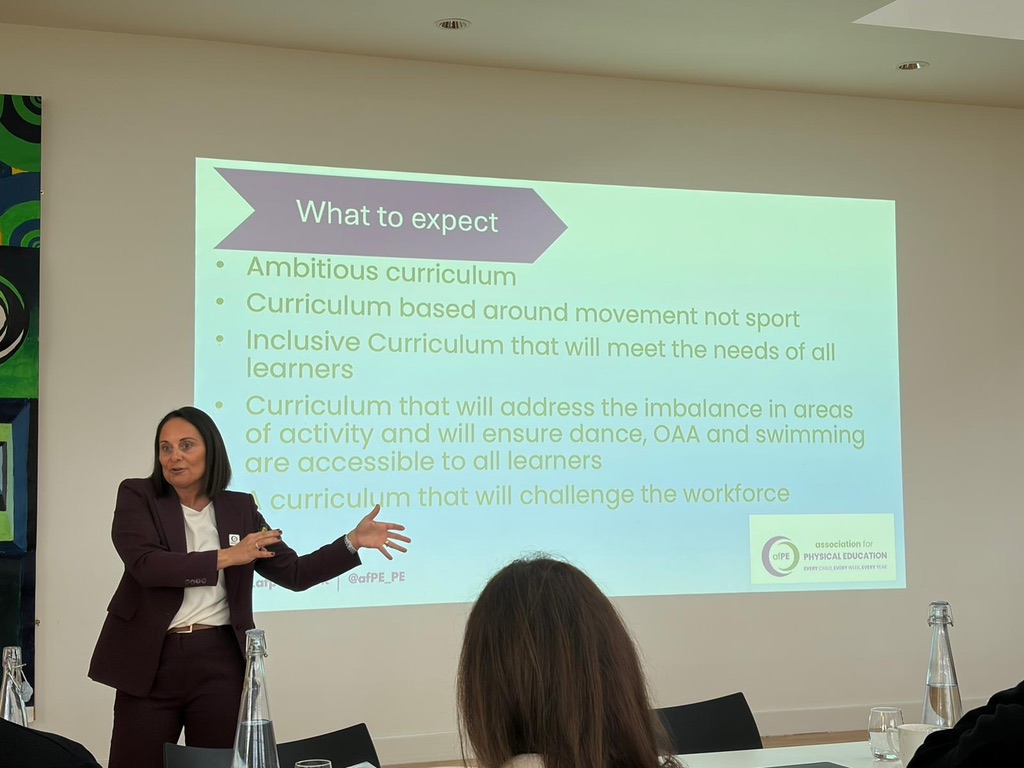
Kate Thornton-Bousfield’s session hammered this message about prioritising the E as well as the P home and expanded the lens further, situating our daily practice within the evolving national landscape. Policy shifts, curriculum reform and qualification changes can feel distant until they land in our departments. What I appreciated most was the emphasis on agency. Heads of PE are not passive implementers of external decisions. We interpret. We adapt. We design. The future of the subject is shaped as much by our local choices as by national documents. That responsibility is significant, but it is also empowering. With the sheer level of change in England mooted and demanded, Kate’s declaration that PE is about to undergo “revolution, not evolution” really hit home. Exciting times are ahead.
Practical Exploration of OAA and HWB
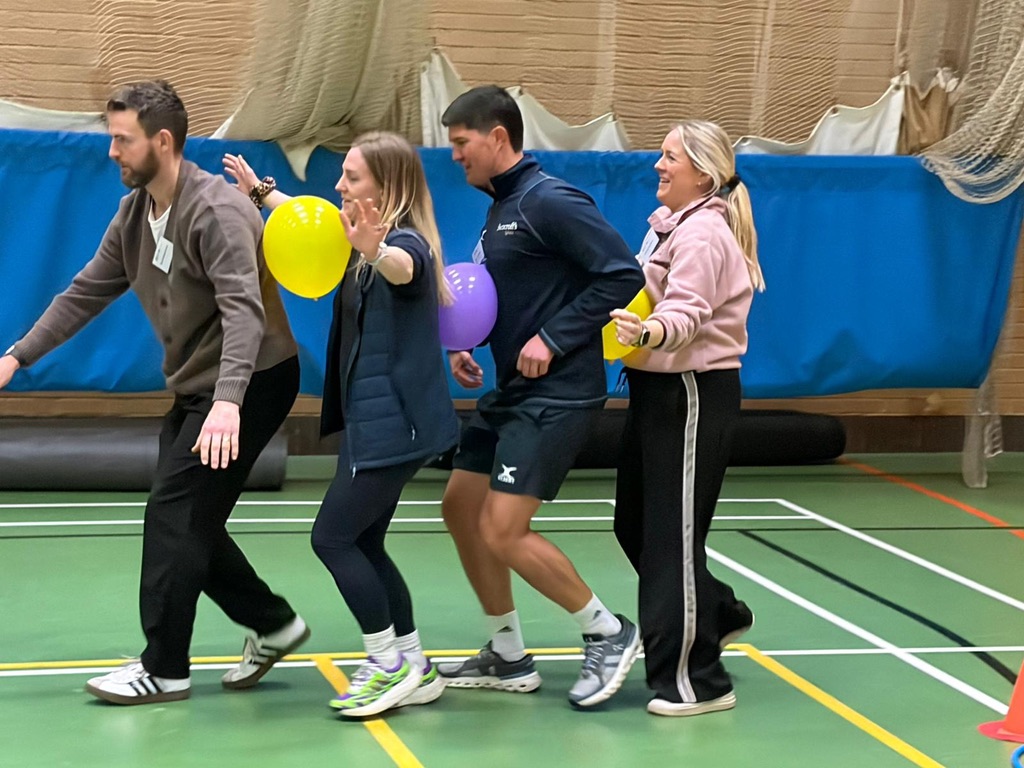
In the afternoon we had a range of seminars that we could attend. One of the energising sessions I signed up for came from Keira Wylie, who explored the integration of Outdoor and Adventurous Activities with Health and Wellbeing. What struck me immediately was the way she refused to allow OAA to sit as an isolated bolt-on unit, detached from wider curricular intent. Instead, she demonstrated how carefully designed problem-solving tasks, trust activities and collaborative challenges can deliberately cultivate emotional regulation, communication skills and resilience.
This was not a theoretical presentation delivered from behind a lectern. It was immersive. Within minutes, delegates were on their feet, negotiating constraints, navigating space, problem-solving under time pressure and reflecting on their emotional responses. There was laughter, there was mild frustration, there were moments of genuine collaboration. Keira skilfully paused activities at just the right moment to draw out the learning, asking us to consider not only what we were doing but what we were feeling and why. The deliberate linking of physical challenge with wellbeing outcomes felt authentic rather than manufactured. It was a powerful reminder that Health and Wellbeing is not confined to classroom discussion; it can be embodied, experienced and processed in real time. I came away from this session with a mind full of ideas; I had no idea how many uses a hula-hoop could have. Additionally, I can’t think of another CPD session where, when occupying the role of a student, I had so much fun.
Watching experienced Heads of PE fully engage in playful, demanding tasks reinforced something important for me. Joy and rigour are not opposites. Engagement does not dilute learning; it can intensify it. Keira modelled how purposeful activity design can make abstract wellbeing concepts tangible and memorable. I left that session thinking carefully about how OAA in my own context might be reimagined as a vehicle for deeper personal development rather than simply adventurous exposure.
Observing, Debriefing and Quality Assuring Lessons
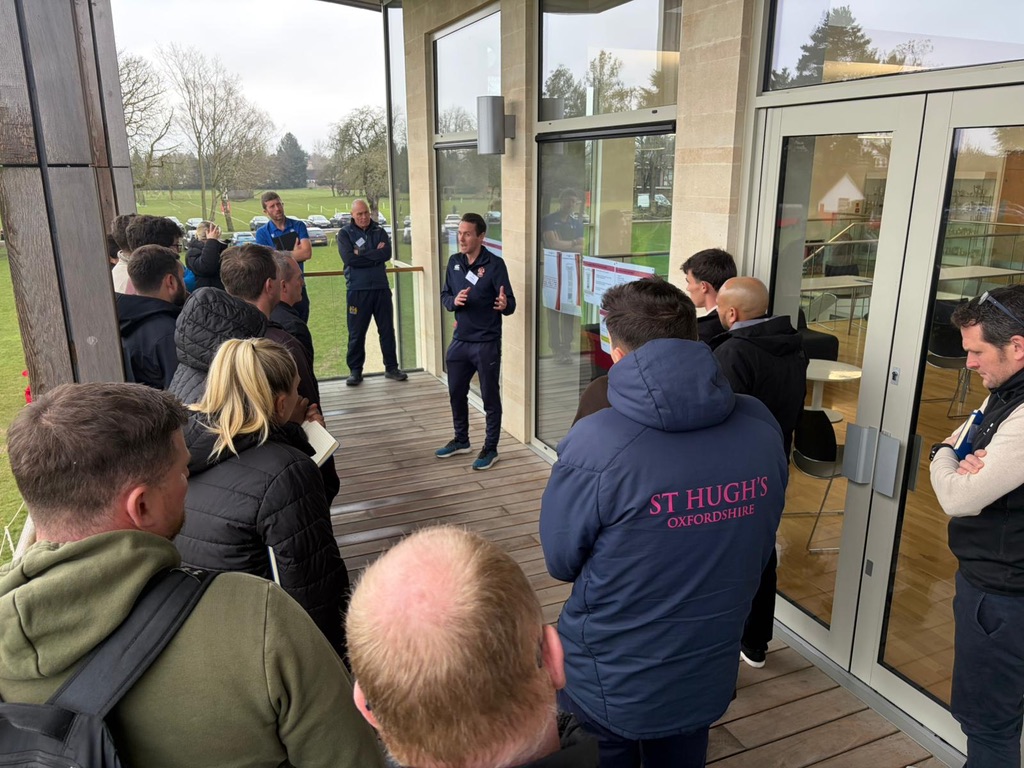
Equally powerful, albeit in a very different way, was the opportunity to observe Tom Butler teach a Year 6 class in front of approximately twenty-five PE teachers. There is something quietly courageous about opening your classroom to that level of scrutiny. It is one thing to discuss pedagogy in theory; it is another to enact it live, with real children, real unpredictability and a room full of professionals analysing every decision.
Tom’s lesson was purposeful and calm. He balanced clarity of instruction with space for exploration. He adjusted in the moment when needed. The pupils were engaged, responsive and evidently accustomed to thoughtful teaching. Yet what impressed me most happened after the lesson. Tom invited feedback from the observing teachers. Not defensively. Not selectively. Openly.
The discussion that followed was professional, probing and generous. Colleagues commented on questioning strategies, task design, differentiation and pupil voice. Tom listened carefully, clarified where necessary and reflected aloud. That exchange embodied what professional learning should look like. No ego. No performance. Just a collective commitment to refining practice.
Sitting in that room, I was reminded how rare and valuable that level of openness can be. Teaching is often a private act. Inviting critique requires confidence not only in your ability, but in your identity as a learner. It modelled precisely the growth mindset we hope to cultivate in our students. The message was clear: expertise is not fixed; it is continually developed through dialogue and reflection.
Intentionality
Throughout the day, a consistent theme emerged: intentionality. Whether discussions centred on cooperative learning, inclusion, physical literacy or safe practice, the message was clear. Nothing in PE should be accidental. The structures we design, the language we use and the environments we create shape young people’s relationship with movement long after they leave our care.
What I found particularly uplifting was the spirit of collegiality. There was laughter. There was challenge. There were moments of disagreement handled with respect. There were conversations that continued into corridors and over lunch. Several times I noticed colleagues leaning forward, genuinely animated by an idea. That kind of engagement is contagious. It reminds you that our profession is full of thoughtful, principled leaders striving to improve not only their own departments but the discipline as a whole.
Inititatives & Wrapping Up as a Team
As the day drew to a close, I did not feel overwhelmed with new initiatives. Instead, I felt steadier and energised. My existing convictions about pedagogy, coherence and physical literacy had been sharpened rather than replaced. Sometimes professional development is not about acquiring something entirely new; it is about refining what you already hold to be true.
As the last of the delegates left Summer Fields School to make their way home, the PE Scholar team came together and the buzz continued, with Simon Scarborough, Harpreet Sohal and Claire Squires joining myself, Liz, Will and Tom to reflect on their afternoon sessions and the hopes for impact back at the chalkface.
Final Reflections
Driving home, I reflected on the privilege of spending a day as a learner among peers who care deeply about Physical Education. If I expect my students to remain curious, reflective and open to challenge, then I must model that stance myself. Leadership is not diminished by learning; it is strengthened by it.
The ICE Heads of PE Conference did more than inform me. It re-energised me. It reminded me that when we prioritise pedagogy, commit to coherence and remain courageous in our curriculum design, our subject retains its transformative potential. Physical Education is not a timetable filler or a vehicle for narrow outcomes. At its best, it shapes how young people experience their bodies, their capabilities and their sense of belonging in movement.
Oxford did not change my direction. It deepened my resolve. And I returned home excited to continue building a curriculum where PE genuinely stands for Positive Experiences, grounded in thoughtful pedagogy and guided by the belief that every young person deserves meaningful movement for life.
One thought remains: will you be joining us next year?
Responses