


By Aaminah Hussain, Head of Physical Education at Astrea Academy, Sheffield
“I don’t want to be with him; I want to be like him.”
That line from Bend It Like Beckham summed up what I often felt growing up. I didn’t just admire athletes from afar — I wanted to step into their shoes, to play and belong. But the reality was I rarely saw anyone in sport who looked like me. On the pitch, in the media, and even in PE lessons, representation was almost non-existent. At the time, I didn’t have the language to explain why that absence mattered so much to me — but in hindsight, I realise how it shaped how I saw myself and where I felt I belonged.
Now, as a Head of PE in a wonderfully diverse secondary school, I believe even more strongly that representation isn’t a bonus — it’s essential. When young people see someone who shares their identity thriving in a space, it sends a powerful message: this is for you too.
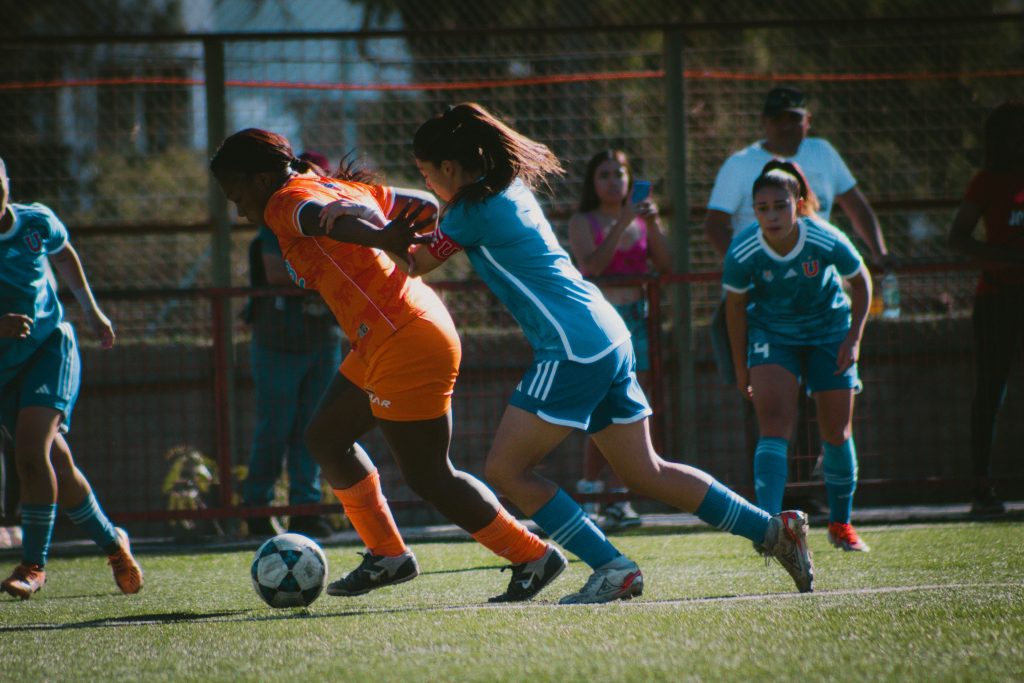
That message shone bright this summer when the Lionesses won the Euros, retaining their title in dramatic fashion. In Basel, they came back from behind to beat Spain on penalties to lift the trophy — a moment of national pride, yes, but also a moment of visibility. Girls across the country, from all backgrounds, could watch and see that football and success belongs to them too. That same feeling can be cultivated every day in our schools.
Even in Bend It Like Beckham, it wasn’t just Jess who faced barriers. Jules, her white teammate, was also judged for stepping into a ‘male’ sport. Her mum famously told her: “No boy’s going to fancy a girl who plays football all day.” It’s a reminder that while barriers look different for each young person, the need for visibility and support is the same. Representation matters for every girl.
Recently, I took part in the Youth Sport Trust PE Leaders Development Programme. Connecting with other PE teachers from such diverse backgrounds felt like stepping into a safe space — somewhere I didn’t feel I had to explain myself because others simply understood. What struck me most was their curiosity: they weren’t afraid to ask questions and genuinely wanted to learn about each other’s cultures and experiences. Even among those of us who shared religious backgrounds, our stories and perspectives were still different. That openness created a sense of connection and belonging — exactly the kind of environment many of our students need, especially those who don’t see themselves reflected in sport.
Representation in schools can take many forms. One of the most powerful is using sports leaders from older year groups to work with younger students. When Year 7s see a confident, skilled Year 10 — perhaps sharing their language, faith, or background — leading part of a lesson, it sparks belief: If they can do it, maybe I can too. It’s not only about developing leadership; it’s about helping younger pupils envision themselves reaching for more.
Another impactful approach is using student voice to shape the PE curriculum. Inviting pupils to suggest and introduce sports from their own cultural backgrounds broadens our offer and celebrates their identities. A pupil seeing their peers engage with sport from their home country for the first time shows them: your culture matters here, in this space.
Representation doesn’t always come from celebrity athletes (although that can be thrilling). It often comes from everyday visibility — staff who reflect your community, display boards with diverse faces, leaders from all backgrounds and inclusive curriculum choices. Because when students see someone like them on the pitch, in the gym, or guiding the class, they glimpse a future they can belong to and that can change everything.
Three Practical Ways to Embed Representation in PE
- Showcase diverse role models – use posters, lesson examples, and assemblies to highlight athletes and coaches of different genders, faiths, ethnicities, and abilities.
- Empower student leadership – give pupils from all backgrounds opportunities to lead warm-ups, officiate, or mentor younger year groups.
- Listen to student voice – invite pupils to shape the curriculum by adding sports from different nations, building inclusive spaces through shared cultural experiences.
Let’s consider how we can bring representation to life in our PE spaces. For many students, simply seeing someone who reflects their identity whether that’s a teacher, a peer, or the sports on offer — can be the difference between feeling like an outsider and feeling empowered to belong and thrive.
Perhaps the final word belongs to Jess’s dad in Bend It Like Beckham:
“I want her to fight. I want her to win. I don’t want her to give up.”
That’s the belief we owe every young person who steps into our lessons everyday!
Responses