


Introduction
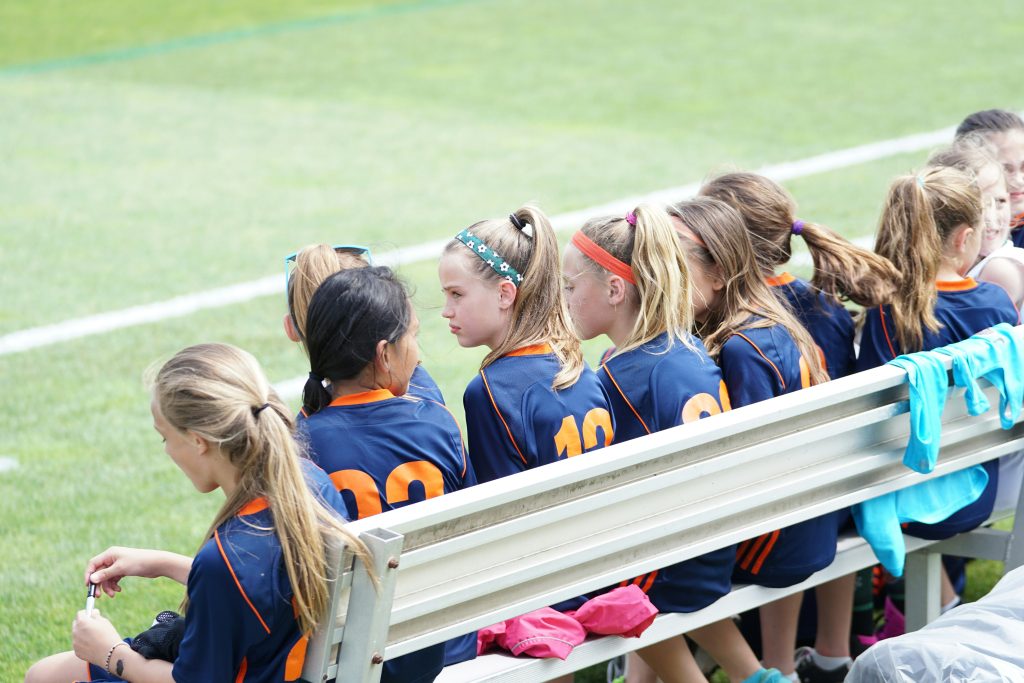
Teaching Personal and Social Responsibility (TPSR) is a holistic approach to physical education (PE) that goes beyond the development of physical skills to focus on the personal and social growth of students. Grounded in the principles of social learning theory and moral development, TPSR aims to empower students to take ownership of their behaviour, develop positive social skills, and cultivate a sense of responsibility both on and off the playing field. In this blog, we will explore the goals, objectives, and key features of Teaching Personal and Social Responsibility in PE, examining how it fosters character development and promotes lifelong well-being.
Goals of Teaching Personal and Social Responsibility model
Teaching Personal and Social Responsibility is guided by several overarching goals that shape its implementation in PE:
- Personal Development: The primary goal of TPSR is to promote the personal development of students by fostering self-awareness, self-regulation, and self-efficacy. Through reflective practice and goal-setting activities, students learn to take ownership of their behaviour and make positive choices that contribute to their overall well-being.
- Social Development: TPSR aims to facilitate the social development of students by cultivating positive interpersonal skills, such as communication, cooperation, and empathy. By engaging in cooperative activities and collaborative learning experiences, students learn to work effectively with others and build supportive relationships within their peer group.
- Character Education: Another key goal of TPSR is to promote character education by instilling core values such as respect, responsibility, integrity, and sportsmanship. Through guided discussions and experiential learning opportunities, students learn to demonstrate ethical behaviour, demonstrate empathy towards others, and uphold principles of fairness and equity.
- Lifelong Well-Being: Ultimately, TPSR seeks to empower students to lead healthy, active, and fulfilling lives beyond the confines of the PE classroom. By equipping students with the skills, attitudes, and values necessary for responsible decision-making and positive social interaction, TPSR prepares them to navigate the challenges of adolescence and adulthood with confidence and resilience.
Objectives of TPSR model in physical education
To achieve these overarching goals, the Teaching Personal and Social Responsibility model outlines specific objectives that guide instructional practices and lesson planning in PE classrooms:
- Self-Reflection: TPSR encourages students to engage in self-reflection and self-assessment to develop greater self-awareness and insight into their behaviour. Through journaling, goal-setting, and feedback mechanisms, students learn to identify their strengths, weaknesses, and areas for growth.
- Goal Setting: TPSR emphasises the importance of goal setting as a means of fostering motivation, self-discipline, and personal accountability. By setting realistic and achievable goals related to physical activity, social interaction, and personal development, students learn to take ownership of their learning and strive for continuous improvement.
- Problem Solving: TPSR promotes problem-solving skills by providing students with opportunities to navigate challenges and obstacles in both individual and group settings. Through cooperative learning activities and conflict resolution strategies, students learn to communicate effectively, negotiate differences, and work towards mutually beneficial solutions.
- Social Responsibility: TPSR encourages students to demonstrate social responsibility by respecting the rights and needs of others, contributing positively to group activities, and advocating for fairness and equity. By promoting inclusive practices and fostering a sense of belonging within the classroom community, TPSR creates a supportive environment where every student can thrive.
Features of TPSR
The Teaching Personal and Social Responsibility model is characterised by several key features that distinguish it from traditional PE approaches:
- Sequential Development: TPSR follows a sequential developmental model that progresses from the development of basic personal skills (e.g., self-control, self-esteem) to the cultivation of more complex social skills (e.g., cooperation, leadership). By scaffolding learning experiences and providing opportunities for mastery at each stage, TPSR supports students’ holistic growth and development.
- Experiential Learning: TPSR emphasises experiential learning as a means of promoting active engagement, critical thinking, and meaningful reflection. By immersing students in hands-on learning experiences that connect theory to practice, TPSR creates opportunities for deep learning and personal transformation.
- Student-Centred Approach: TPSR adopts a student-centred approach that empowers students to take ownership of their learning and development. By providing opportunities for choice, autonomy, and voice in decision-making, TPSR fosters a sense of agency and self-determination among students.
- Holistic Assessment: TPSR utilises holistic assessment methods that go beyond traditional measures of physical performance to include indicators of personal and social growth. By assessing students’ progress in areas such as self-regulation, social interaction, and ethical decision-making, TPSR provides a more comprehensive picture of student development.
- Community Engagement: TPSR encourages collaboration and partnership with families, schools, and community organisations to support students’ holistic development. By fostering connections between the school and the broader community, TPSR creates opportunities for students to apply their skills and values in real-world contexts.
What does a TPSR lesson look like?
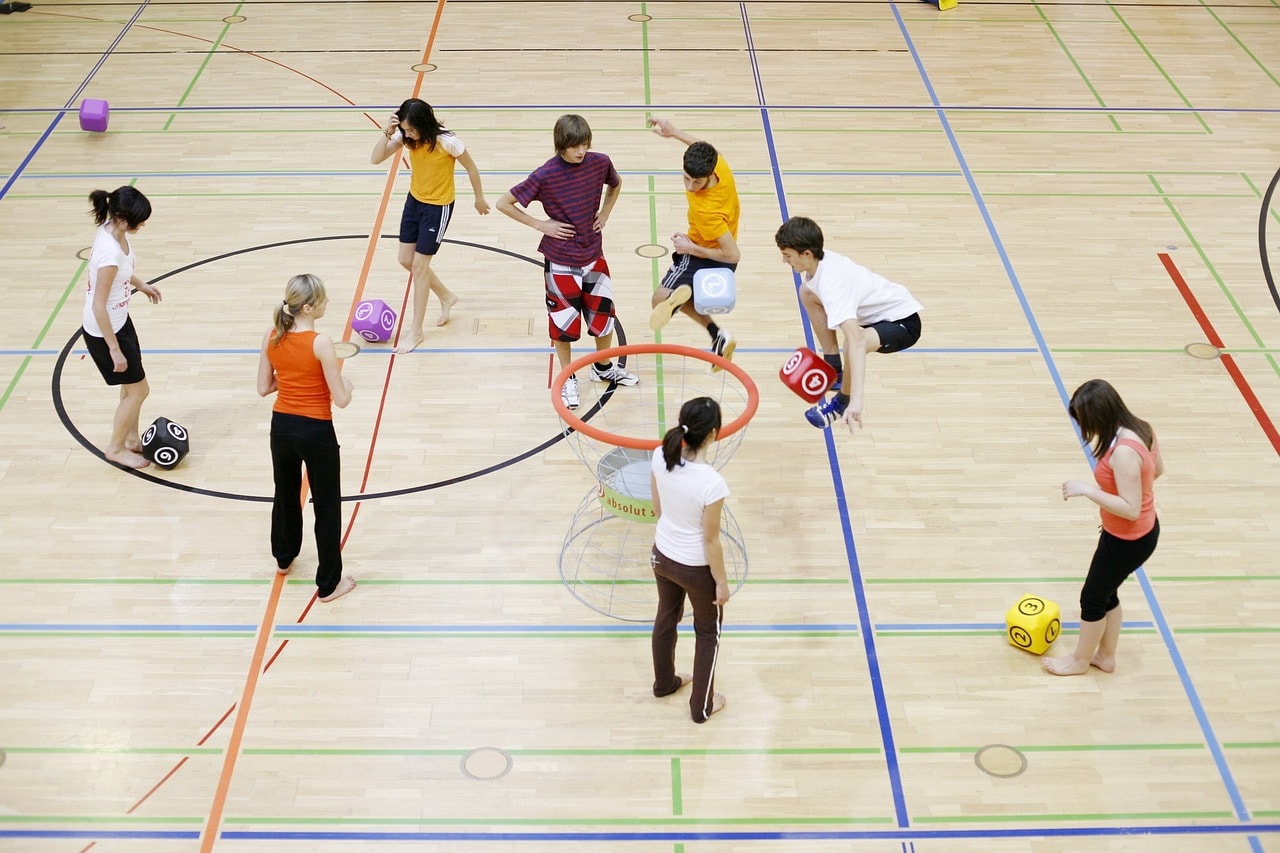
Physical education classes that use the Teaching Personal and Social Responsibility model are generally delivered through a series of distinct moments.
1. Relational Time: This is an opportunity for 1-on-1 interactions between teachers and students. This feature helps create and welcoming environment in lessons whilst contributing towards the development of positive relationships. This feature of a lesson is informal in nature and provides the teacher an opportunity to learn about the lives of students.
2. Awareness Talk: This is a brief but structured meeting with students that officially begins the lesson. Learning objectives are introduced and the objectives of the programme are revisited with input from the students. Depending on the stage of the programme, the teacher may be focussing on a particular aspect of responsibility, or simply reminding students of the overall emphasis of the programme.
3. Physical Activity: This is the practical element of the lesson and should form the majority of the lesson. Teaching strategies should focus on shifting the power of decision making to students and placing them in roles of responsibility. The teaching of personal and social responsibility should be integrated with the teaching of the physical activity and skills.
4. Group Meeting: Students have an opportunity to review the progress made during the lesson. This can involve allowing students to share their opinions, make suggestions, and comment on the group’s performance and cohesion. If peer-leaders were appointed, it also provides and safe space for students to provide feedback on their performance in the roles.
5. Reflection Time: In the final part of the lesson, students are directed to reflect on their own attitudes and behaviours demonstrated during the session. Using the TPSR levels of responsibility, the teacher prompts students to refer to progress made over the programme and set appropriate goals. Verbal discussions and written journals can be used to evidence this reflection.
In conclusion
Teaching Personal and Social Responsibility represents a transformative approach to physical education that prioritises character development, personal responsibility, social skills, and lifelong well-being. By empowering students to take ownership of their behaviour, develop positive relationships, and make responsible choices, TPSR equips them with the skills and attitudes necessary for success in school, sports, and life. Through its goals, objectives, and key features, TPSR fosters a culture of respect, responsibility, and resilience in PE classrooms, creating a positive learning environment where every student can thrive.
Want to find out more?
For a one-page summary of TPSR click here
Read this blog on using TPSR as a pedagogy of affect
This research article explores Students’ Perceptions of Learning Life-skills through TPSR
Courses
PE Scholar members have access to a wide range of courses including this bite-sized Models-Based Practice Course
Responses