


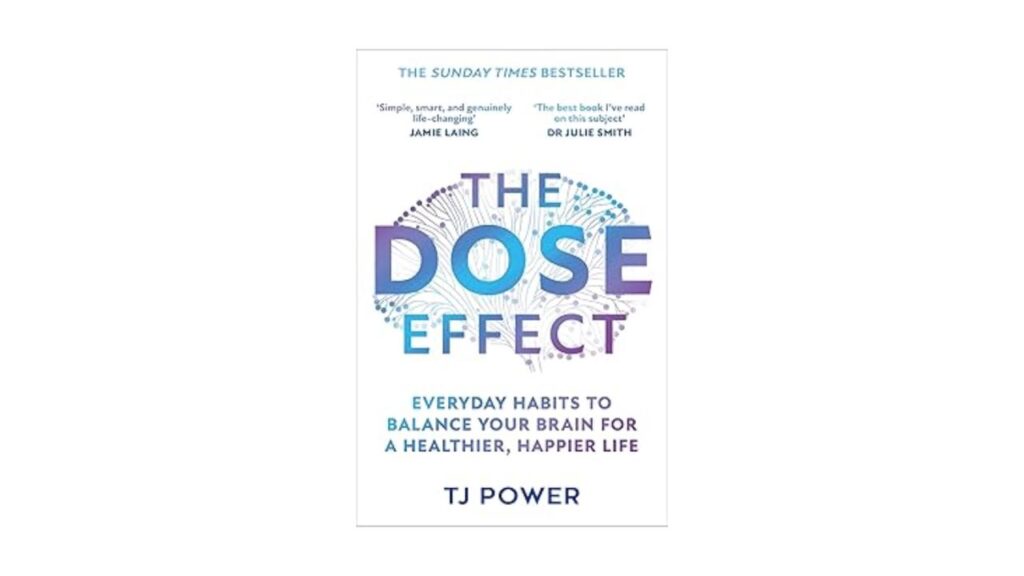
Helping young (and old) minds to better understand dopamine, oxytocin, serotonin and endorphins to help form healthier habits is key to success in life.
This quick summary of The DOSE Effect by T.J. Power, highlights its key ideas, structure and how you can apply understanding to form better habits for life as well as key messages to pass on to your students.
What is The DOSE Effect
- Written by neuroscientist T.J. Power, The DOSE Effect is a self-help / wellness book that bridges neuroscience and practical habits.
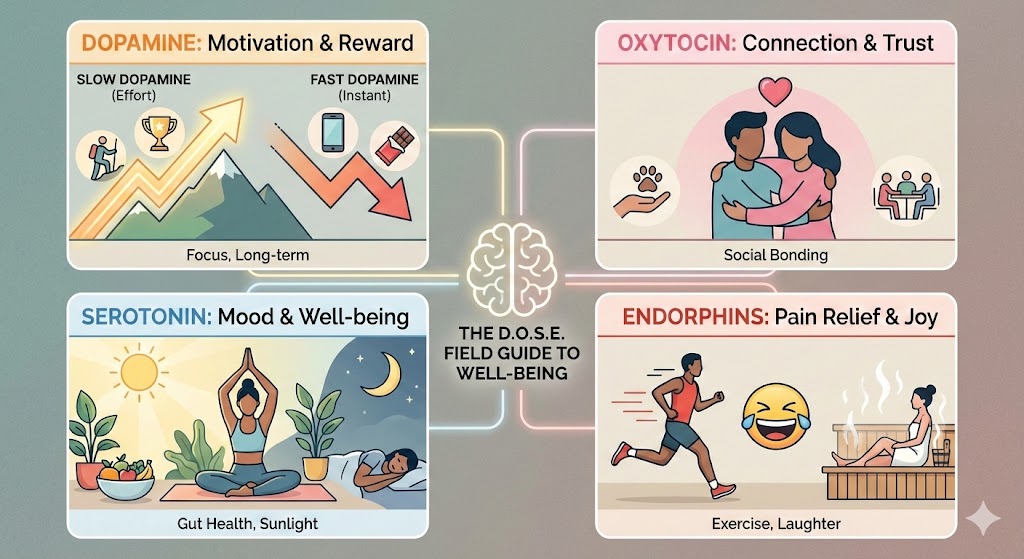
- The core premise: Dopamine, Oxytocin, Serotonin and Endorphins are the four brain chemicals (or hormones/neurotransmitters) that play a central role in our motivation, mood, social bonding, energy and ability to manage stress.
- Modern life (lots of digital connectivity, constant stimulation, sleep disruption, etc.) tends to throw these systems off balance, contributing to overwhelm us, lower mood/confidence, trigger burnout, effect loneliness and so on.
- The book offers a framework for rebalancing them through relatively simple behavioural changes.
Structure & Key Concepts
The book is structured around each of the four chemicals in DOSE, dedicating sections to:
- Dopamine
- Related to motivation, reward, drive, focus.
- The idea of “slow dopamine” vs “fast dopamine” is important: fast dopamine comes from instant rewards (social media, sugar, etc.), which often leads to crashes; slow dopamine comes from effort, completing meaningful tasks, long-term goals.
- Strategies include cultivating flow states, practising discipline, reducing dependence on quick fix stimulants and recognising the first 15 minutes of sticking at a task are the hardest.
- Oxytocin
- The “connection chemical” — social bonding, trust, love (including self-love).
- Because of modern isolation / superficial interactions, many people are low on oxytocin.
- Suggestions include increasing meaningful social contact, physical touch, gratitude practices, helping others, improving self-talk.
- Serotonin
- Effects mood, well-being, energy, sense of satisfaction and calm.
- Strong links with the body: sleep, diet, gut health, nature.
- The impact of sunlight, exposure to nature, good sleep hygiene, eating well (especially gut health) are emphasised.
- Endorphins
- Natural painkillers, stress relievers; give feelings of calm / pleasure especially after physical exertion, joyful activity, laughter etc.
- Encouraging regular exercise, movement, laughter, heat-based therapies (e.g. hot bath or sauna), fun, creativity etc. to help us feel good.
Practical Tools & Challenges
The book doesn’t only explain theory, it gives actionable strategies (challenges and habits) to bring DOSE into daily life. Examples include:
- phone fasting (limiting digital overuse, especially in mornings/evenings) to reset dopamine overstimulation
- routines around gratitude, self-awareness, aligning habits to support body health (sleep, gut, nature) and building social rituals
Overall Message
Basically, The DOSE Effect argues that our brain chemicals are not just something “inside us” that are out of reach. They are dynamic, influenced by habits and by understanding how these four key chemicals work we can adjust our lifestyles in ways that support them (rather than undermine them). As a consequence, you can improve your mood, motivation, relationships, stress resilience and overall wellbeing.
It encourages a mindset of patience (incremental change), awareness (of what you’re doing, how you feel) and consistency.
A Quick DOSE Plan: Habits to Boost Each Chemical
The final chapter of the book summarises 5 suggested actions in each of the 4 categories that each of us could make to improve our health and happiness. Here is a summary and some of those ideas, why not challenge yourself and your students to select at least one action from each?
Dopamine: Motivation, Drive & Focus
- Target: Swap “fast dopamine” (scrolling, junk food, constant pings) for “slow dopamine” (effortful but rewarding tasks).
- Actions:
- Flow state – enter deep states of focus each day by resisting the first 15 minutes of discomfort
- Discipline – focus on living your life in a more careful manner by making your environment nicer to live in (making bed, washing sheets regularly, cleaning spaces)
- Phone-fasting – make a deep conscious effort to distance yourself from your phone when you first wake up and for an hour before bed
- Cold water – develop will power to embrace discomfort through cold water immersion
- My pursuit – set a clear goal in your life that inspires positive action to get there
Oxytocin: Connection & Belonging
- Target: Build deep, meaningful connections with others and with yourself through service for others and for yourself.
- Actions:
- Contribution – support and give love to those around you
- Touch – make a conscious effort to hug your family and friends more
- Social life – make more time for family and frields (e.g. coffee, walk, dinner or exercise together)
- Gratitude – reflect positively on what you already have not what you want (e.g. friends, family, work, health, nature etc)
- Achievements – celebrate small wins and progress that you have made (e.g. healthier eating) through positive self-talk
Serotonin: Calm & Wellbeing
- Target: Focus on physical rhythms by enjoying the great outdoors, quality sleep and gut health.
- Actions:
- Nature – spend time in green and blue spaces daily and disconnect from technology whilst you do so
- Sunlight – make sure you see sunlight for a few minutes before social media to start every day
- Gut health – eat natural and nutritious whole foods rather than ultra-prcessed foods and keep hydrated
- Under-thinking – use breathing practices to slow your mind and body
- Deep sleep – commit to regular bedtime and wake times away from your phone
Endorphins: Stress Relief & Joy
- Target: Seek more opportunities for movement, fun, laughter, and creativity.
- Actions:
- Exercise – find a sustainable exercise programme that works for you
- Heat – immerse yourself in a hot bath, sauna or steam room
- Music – sing and dance more often for fun and stress relief
- Laughter – immerse yourself in the funnier side of life through
- Stretching – simple reach up, reach down and twists (RDTs) or monkey bar hangs or yoga
How to Apply Ideas Yourself
- Start small: Pick one habit per chemical to build your “DOSE stack.”
- Be consistent: Daily repetition matters more than intensity.
- Notice shifts: Track how mood, focus, and energy change week to week.
🌟 5 DOSE Tips to share with your Students
- Start your day without your phone
Give your brain calm focus in the morning instead of jumping straight into messages or social media. - Celebrate small wins
Finishing homework, answering a question, or practising a skill … ticking things off gives your brain a healthy dopamine boost. - Spend time with friends (without screens)
Real conversations, laughter, or even just hanging out in person helps your oxytocin … the connection chemical. - Get outside every day
Sunlight, fresh air, and moving your body all boost serotonin and endorphins, lifting your mood and energy. - Find fun ways to move
Sport, dance, walking, or even just playing … exercise and laughter release endorphins that reduce stress and make you feel good.
Responses