



In July 2023, Lee Sullivan and Paul Sammon wrote Is it time to ditch changing during PE lessons. In their blog, they explored the impact of lost learning time to changing for PE lessons and the potential impact on student wellbeing. As many schools have resorted to pre-COVID practices of getting changed in school, this blog serves to highlight the challenges that many young people face when required to change for PE and gives some examples of good practice to ensure everyone feels safe.
Barriers to participation
PE is not for some: it is for everyone (Ofsted, 2022). But the reality is that many young people face a wide range of barriers to participation. The Youth Sport Trust (2023) found that in England, fewer children are reporting positive attitudes towards sport and physical activity than pre-pandemic. Sport England’s most recent Active Lives Survey (Sport England, 2024) estimates that 6.5 million disabled people are inactive (40.8%, compared to 20.7% of non-disabled people) as they continue to be one of the least active groups in society. Further, the Activity Alliance (2024) found people with a learning impairment were less likely to feel that sport is for ‘someone like me’. The report goes on to say that people with learning impairments, like other disabled people, often feel that their impairment or health condition limits their activity (72% compared to 79% of all disabled people). They are more likely to say this is related to a lack of confidence (41%), unsuitable activities (39%), previous bad experiences (35%) and negative attitudes from others (18%).
Women in Sport (2022) identify several barriers to participation including for “sporty girls” who are more self-conscious, feel judged by others and worry more about their body image compared to boys.
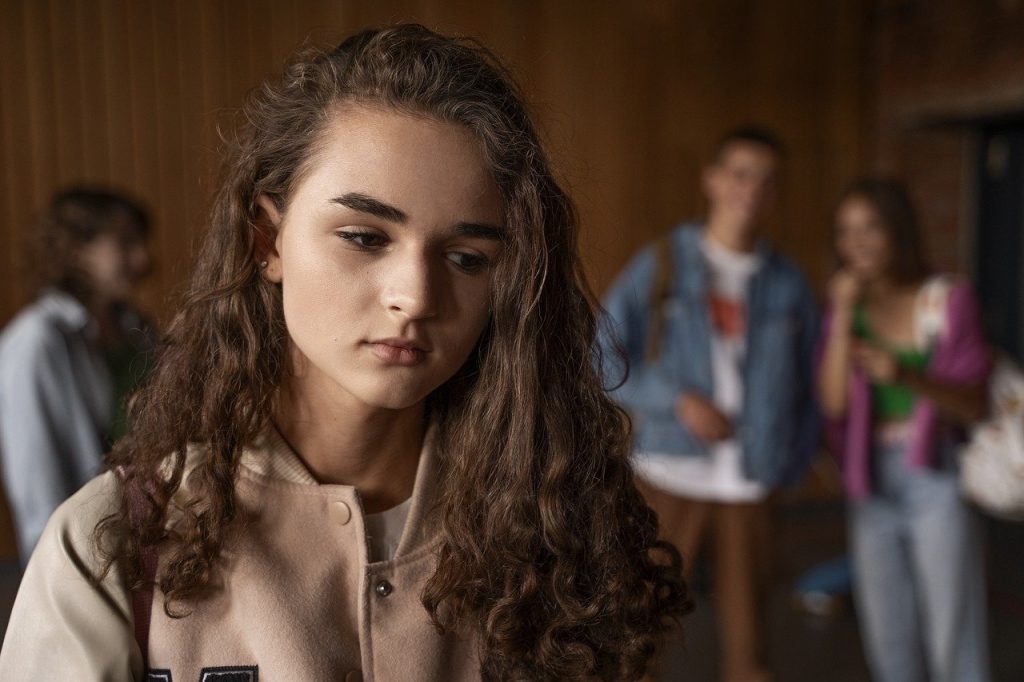
Changing – a significant barrier for many
The Department for Education (DfE’s) report, Keeping Children Safe in Education (DfE, 2024), makes clear that all staff have a responsibility to provide a safe environment in which children can learn. As part of this, staff should protect children from maltreatment, whether that is within or outside the home, including online, prevent the impairment of children’s mental and physical health or development and take action to enable all children to have the best outcomes. The changing rooms present a unique challenge where children are more vulnerable to harm than at other times of the day at school.
Before even contemplating participating in lessons, the prospect of changing can be enough to prevent someone from engaging in PE. For many, the changing rooms present as a very stressful environment and is one that is completely different from any other aspect of school. Undressing in front of peers and adults, even within friendship groups, can be a very uncomfortable experience for young people. It is important to remember that all students have the potential to feel vulnerable within the changing room environment.
This includes:
- Boys, girls, non-binary students.
- Children of all different shapes and sizes.
- Children that are overweight or underweight.
- Early developers and late developers (puberty).
- Children that have scars, created through self-harm, surgically or by other means.
- Children that wear back braces, binders or have other medical devices such as stomas.
- Girls being self-conscious about being new to wearing bras or do not wear bras or crop tops where there may be a need to.
- Any student worrying about showing their underwear.
- Students that have experienced previous trauma, including those relating to physical and/or sexual abuse.
- Students who are neuro-divergent and /or have a specific Special Educational Need or Disability (SEND) that makes it challenging. This could include, but not exclusive to:
- Students that are sensory sensitive (mainly the acoustics, levels of noise),
- Students with organisational problems that may include students with Attention Deficit Hyperactivity Disorder (ADHD), Autism, Development Coordination Disorder (DCD – also known as Dyspraxia),
- Students that may struggle with the lack of structure and order (including those with Autism).
Research supports the notion that changing rooms can have a negative impact on young people’s mental health and well-being (Gerdin, 2017; Moen et al., 2018; Butler, 2022;). The causes of anxiety surrounding the use of changing rooms can be far-reaching. There could be multiple reasons why a child is anxious and they may not be able to fully articulate why they feel as they do. As such, it is important that we are respectful of each individual, regardless of how many there may be in a particular cohort that are struggling; never dismiss a concern by concluding they are only raising an issue because others in the class are.
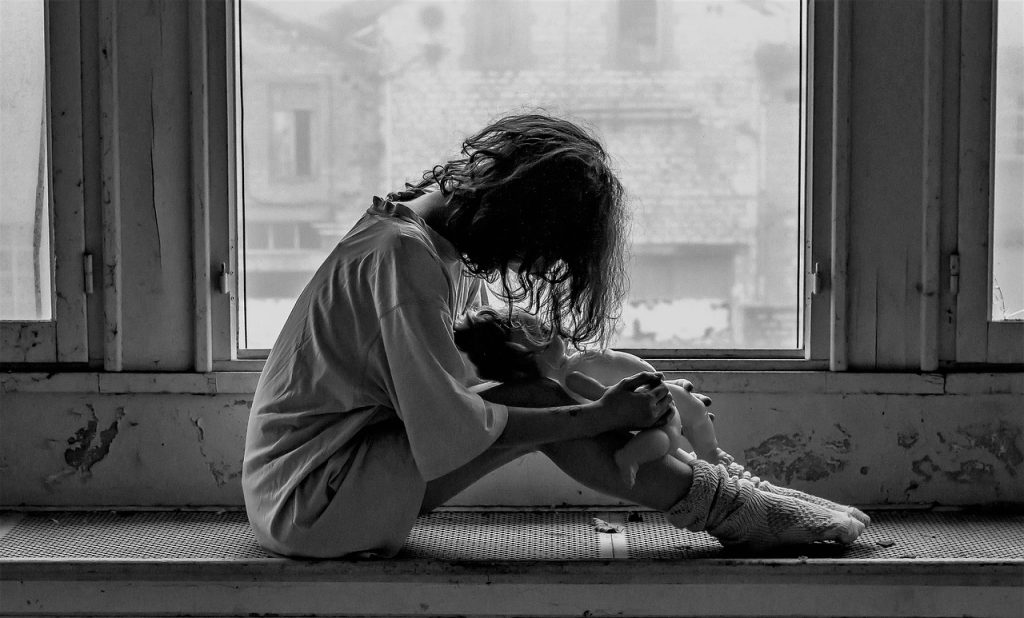
The neurodivergent child
The process of changing can be very stressful for those with additional needs such as Development Coordination Disorder (also known as dyspraxia), Attention Deficit Hyper-Activity Disorder (ADHD) and Autism that may have difficulty managing clothes and possessions or become stressed about the prospect of being late to the next lesson when well-intentioned staff are trying to hurry students along. Many students just take a long time to change, with no intent or desire to be slow.
Conflict can occur over the invasion of personal space, particularly in cramped conditions. It is possible that the wrong item of clothing can be taken or worn by someone, leading to another student being left in possession of someone else’s clothes and sometimes having to wear them such as trousers that are too big / small for them. Alternatively, they get a note to continue wearing their PE kit. Either outcome can be very unsettling or distressing for a student.
Establishing routines of sitting in the same place can help some students cope with the process of changing as it gives students a sense of control and expectation, particularly if they have a trusting relationship with someone that changes next to them. However, this can change in a busy environment for multiple reasons and can be the cause of further distress.
What to look out for
Students can feel worried about their personal space being invaded; being touched, pushed, shoved, slapped on the back and even having their trousers pulled down (as a “joke”) are all actions that can be uncomfortable for some students. Even in a calm environment, the worry of the possibility can be hard to eliminate as long as the possibility remains. Particularly if any of these actions are witnessed between friends with no malice or as “banter”, it can make others that witness it more worried that they might be the target of similar behaviour.
The message needs to be that even if the target is “ok” with it and / or it was just “banter”, it is still not expected nor accepted in your changing room. Comparisons with their community club or what they see through the media of elite sports may be made.
As teachers, we are responsible for everyone’s safety, which includes creating an environment where everyone feels safe. I often reply with:
My changing room, my rules.
Comments, looks and proximity can all be used as subtle, yet powerful forms of intimidation by some students, particularly when it is known that the target is vulnerable or anxious.
Boisterous behaviour modelled by local community sports clubs, professional athletes, clubs and national teams can also influence the judgement of what an appropriate changing room environment should look and feel like. It is certainly not helpful when clubs post on social media their players drinking alcohol, singing, shouting, and dancing around in their underpants.

Key Questions:
- Which of your students are (knowingly) affected by previous Adverse Childhood Experiences (ACE’s) that impact directly or indirectly on their changing room experience?
- Which of your students may be (unknowingly) affected by previous ACE’s that impacts directly or indirectly on their changing room experience?
- Which of your students, for any reason, may find the prospect of managing their changing room experience traumatic or anxiety inducing?
- What adjustments can be made for these particular students to mitigate the trauma or anxiety being triggered?
- How many of your students may the changing experience be the ultimate barrier to participation in Physical Education lessons (even if they do not articulate this themselves)?
- For students that struggle with changing, how aware are they of others that feel the same? Do they feel as though they are the only ones that are experiencing this and so are less willing to share their concerns? Might they feel a sense of shame or feel their concerns are not valid?
Top Tips
In light of the complex and nuanced nature of the changing environment, here are some top tips to establish and maintain a safe space for students to change in.
- Empathetic messaging – Make clear to your students that it is natural for people to feel awkward or anxious about changing. We understand. We take it seriously.
- Expectations – Be public and clear about all students having the right to feel safe and that all students have a responsibility to ensure this is the case. Normal school expectations about respecting property, behaviour and conduct apply.
- Behavior and conduct – Insist on a calm and quiet manner when entering, during and leaving the changing rooms. There should be no physical contact and once changing, stay where you are.
Supervision: Direct v Indirect:
- Indirect – where staff stay mainly just outside of the changing room, but must be close enough to respond to anything that causes concern or if a student requests support. If this is your model of supervision, make short, regular visits into the changing room to ensure conduct is safe.
- Direct – being in the changing rooms with the students enables a safer, calmer environment, but leaves staff more vulnerable to malicious allegations.
When in the changing rooms, consider the following strategies:
- Look everywhere, but nowhere.
- Move round the space, being mindful of all changing areas.
- Make yourself available to students that have concerns or have kit issues or seeking assurances about the lesson.
- Do all of this without maintaining your gaze on one particular student for any prolonged period of time.
- Be mindful of any students moving away from their changing area.
- Ensure noise levels remain at an acceptable level (this should be achieved if students are calm).
- If needed, attempt to reduce the noise levels without adding to it (through shouting above the noise or harsh whistle blowing).
- Be mindful of subtle looks that are intended to make others feel uncomfortable or intimidated.
- Listen out for comments that belittle or shame other students. These can be aimed directly toward another student or be made to a peer about someone else.
Consider your processes and procedures before, during and after changing…
- Meet and greet students to achieve psychological safety checking in with students that are anxious about changing. Find out more about creating psychological safety in Neil Moggan’s Insight blog post.
- Allow some students to enter before others if they would benefit from missing the rush and/or have more time to change. At the end of lessons, ensure those that need to get back earlier do so..
- Set expectations on timings. Be realistic; balancing the need to be prompt, but not to trigger anxiety in students. Do not threaten sanctions if students change slower than others.
- Toward the end of everyone changing, try to avoid situations where there are only 2 students left on their own. More importantly, try to avoid being on your own with only one student remaining.
- Ask a friend to stay with their peer to keep them company (without making reference to safeguarding).
- A member of staff should be the last person out and secure the room.
It may be appropriate to make alternative arrangements for some students…
- Consider if you have any alternative provision for students that may not want to change in the main changing room.
- Consider changing the name of disabled toilets to accessible toilets, which is a more inclusive term that acknowledges they can be for anyone that feels they need access to it.
- Although an alternative changing area is exclusive (rather than inclusive), it might be the best arrangement for a student. Be lead by the student voice in each case.
- Is there scope to build cubicles within the existing changing rooms to provide more privacy?
- Use quiet corners or allow the use of the PE office space instead of you (if there is one) for students if they want somewhere slightly quieter.
- Allowing students to arrive at the lesson in kit can be really effective at reducing the stress for them. Are there ways for them to change at break or lunch time, or in a safe space such as the Learning Support Department, where other trusted members of staff can help to supervise and support?
Summary
For too many people (young and old) having to change to prepare for physical activity is a barrier that can prevent them from participating completely. If removing this barrier by allowing students to attend school in their PE kit is not an option at your school, then PE staff have a key role to play in creating a safe environment for young people to prepare for their lessons. Measures to support the most vulnerable will support all students in the changing process, even for those where it is not obvious that they might experience discomfort or distress.
References
- Activity Alliance (2024) Activity Alliance Annual Disability and Activity Survey (June 2024). Available at: https://www.activityalliance.org.uk/how-we-help/research/9055-activity-alliance-annual-disability-and-activity-survey-june-2024
- Butler, C. (2022) PE kit petition at The Deepings School highlights pupils’ anxiety over changing rooms. Available at: https://www.stamfordmercury.co.uk/news/school-s-pe-policy-leads-to-petition-9262623/
- Department for Education (2024) Keeping children safe in education 2024: Statutory guidance for schools and colleges (2 September 2024). Available at: https://assets.publishing.service.gov.uk/media/66d7301b9084b18b95709f75/Keeping_children_safe_in_education_2024.pdf
- Gerdin, G. (2017) ‘The ‘old gym’ and the ‘boys’ changing rooms: the performative and pleasurable spaces of boys’ physical education’, YOUNG, 25(4), pp.36-53.
- Moen, K. M., Westlie, K. and Skille, E, A. (2018) ‘The changing room in physical education as crossroads between fields and curricula: the experiences of Norwegian students’, SAGE Open, 8(4). Available at: https://journals.sagepub.com/doi/epub/10.1177/2158244018818926
- Ofsted (2022) Research review series: PE. Available at: https://www.gov.uk/government/publications/research-review-series-pe/research-review-series-pe
- Sport England (2024) Active Lives Adult Survey 2022-23. Available at: https://sportengland-production-files.s3.eu-west-2.amazonaws.com/s3fs-public/2024-04/Active%20Lives%20Adult%20Survey%20November%202022-23%20Report.pdf?VersionId=veYJTP_2n55UdOmX3PAXH7dJr1GA24vs
- Women in Sport (2022) Reframing sport for teenage girls: Tackling teenage disengagement. Available at: https://womeninsport.org/wp-content/uploads/2022/03/2022-Reframing-Sport-for-Teenage-Girls-Tackling-Teenage-Disengagement.pdf
- Youth Sport Trust (2023) PE and School Sport: The Annual Report 2023. Available at: https://www.youthsporttrust.org/media/5bcgx4kh/yst_pe_school_sport_report_2023_final_revd.pdf
Responses