



By Kate Reynolds
In today’s increasingly diverse and fast-changing society, there’s a growing need for a national physical education curriculum that meets the needs of every child, regardless of their race, religion, gender, or socioeconomic background. While the government’s Curriculum and Assessment Review has made strides toward reform, many teachers, particularly those in PE, are still grappling with how to create a curriculum that truly works for every student.
Physical Education (PE) is one of the most powerful ways to engage children, encourage healthy lifestyles, and promote values like teamwork, resilience, and respect. However, as we continue to embrace cultural diversity, gender inclusivity, and modern teaching methods, it’s clear that our existing PE curriculum must evolve to better serve today’s students. It’s time for a PE curriculum that is truly reflective of the diverse communities we teach, not one that’s designed for a bygone era.

Why the PE Curriculum Needs to Evolve
The current PE curriculum, while robust in many ways, doesn’t always consider the diverse needs of all students. When designing a curriculum during “life after levels”, many saw the [sports listed in brackets] in the national curriculum and took these as the activities that should be taught. Many offers often follow a “one-size-fits-all” approach, which can inadvertently exclude students based on cultural, religious, gender, or ability factors. For example, some sports or activities traditionally taught in PE may not align with the beliefs or preferences of all students. This is particularly true for girls, students from minority ethnic backgrounds, or those who come from more modest socioeconomic situations.
We need to ask ourselves: is the current curriculum flexible enough to adapt to the varied needs of our students? Is it promoting inclusivity and reflecting the values of the modern UK? To meet the needs of all learners, PE must focus not just on physical skills but also on social, emotional, and cultural factors that can help shape children into well-rounded individuals.
Adapting PE to Reflect Today’s Diverse Society
As we consider how to reshape the PE curriculum, it’s important to remember that the physical education aims go beyond simply teaching physical and fundamental movement skills, and competitive sport. The true power of PE lies in its ability to shape values, build self-confidence, and encourage students to understand and respect their bodies. Therefore, the curriculum should include a broader range of activities and approaches that better reflect the realities of today’s children. Reflecting on PE examination, most teachers would agree that getting rid of the alternative roles to performing was a big mistake, and perhaps it’s time to reconsider this for the future, allowing students to once again flourish as coaches and umpires and gain accreditation for their efforts.
We also need to be more flexible with the types of physical activities we offer. Traditional sports like football, rugby, and cricket might not engage every student, and some students may not feel comfortable in competitive environments. By incorporating activities that students can engage with at their own pace, such as yoga, dance, or fitness-based activities, we can cater to those who might not traditionally engage in team sports. This is by no means a new outlook, but it is one that is still being overlooked in many schools whose offerings are narrowed by seasonal based activities, and often games heavy curriculums.
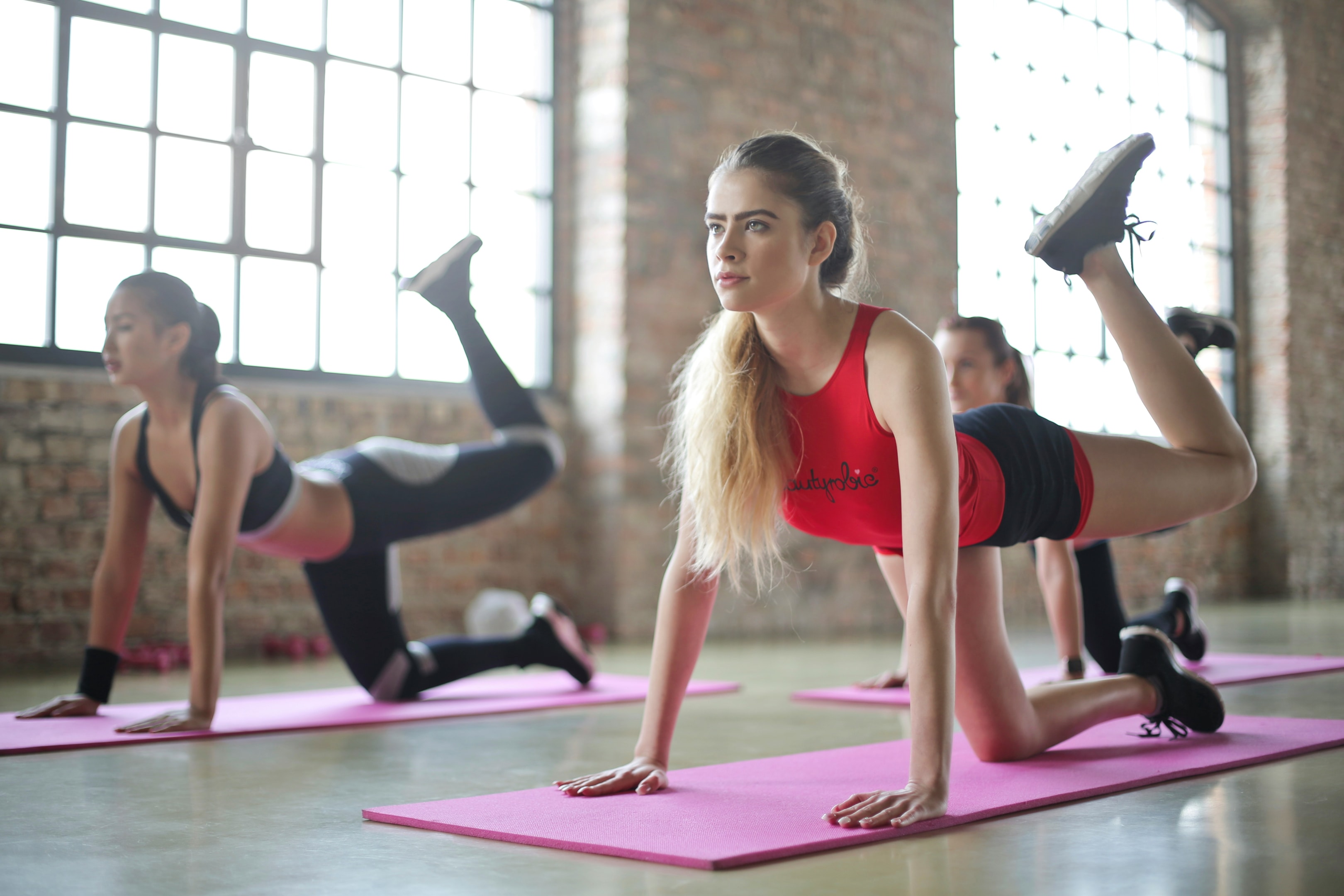
It’s not just about offering alternatives though, it’s about making sure that every child feels included. We must also look at how activities are structured. Activities should be designed so that they do not exclude any child based on their gender, race, religious beliefs, or physical ability.
For example, during Ramadan, Muslim students may be fasting from dawn until sunset, making it difficult to engage in physically demanding activities. To support these students, we could offer gentler, non-strenuous activities during this time or adjust lesson timings to accommodate them. This shouldn’t be a time for segregation where fasting students “sit out” but more a time of celebration and reflection on how we can all work together to meet each other’s needs. This kind of flexibility is crucial to creating an environment where all students feel that PE is for them, regardless of their background.
Integrating Government Curriculum and Assessment Review into PE
The government’s Curriculum and Assessment Review highlights the importance of creating an inclusive curriculum that serves the needs of every child. The review calls for a curriculum that gives equal weight to both knowledge and skills, ensuring that every child has access to a broad, balanced, and well-rounded education. The review also stresses the need for flexibility in the curriculum, allowing schools to tailor their teaching to meet the needs of their student population.
Incorporating these points into PE means recognising that physical education is not just about physical fitness but also about developing personal values, life skills, and wellbeing. The curriculum should encourage critical thinking, teamwork, and social responsibility, as well as foster the development of personal resilience and physical literacy. In doing so, we help students build not only their physical abilities but also their emotional and social strengths, which will serve them well both in school and in life.
Moreover, the review emphasises the importance of assessment, but rather than focusing solely on performance or skill-based assessments, we should be thinking about a holistic approach to evaluating students. PE assessments should take into account the student’s effort, progress, and ability to work within a team, as well as their individual growth in physical and emotional wellbeing. This allows for a more inclusive approach to assessing physical education, ensuring that every student has an opportunity to demonstrate their learning in a way that is meaningful to them. For schools who are still assessing students based purely in their practical ability in the small selection of sports on offer, or even more worryingly on their fitness levels, now is the time to reflect on how assessment can be more inviting to students, and a way to show off their holistic journey.
Ensuring Gender Inclusivity in PE
Gender inclusivity is another important issue that needs to be addressed within the PE curriculum. While many schools have made progress in offering more opportunities for girls to engage in physical activity, the curriculum still often places a heavy emphasis on male-dominated sports. We need to continue to break down these gender stereotypes and ensure that PE is a space where all students, regardless of gender, feel valued and able to participate.
This means considering how sports are framed and the language we use in PE. It also means promoting female role models in sport, ensuring that girls see themselves reflected in the PE curriculum. Offering a range of sports that appeal to all students, regardless of gender, can encourage broader participation, helping all students build confidence in their abilities and develop a lifelong love of physical activity.
We also need to look at the kit offering to make sure that all pupils feel psychologically safe when it comes to participating in PE activities, and even more so if they are expected to get changed for PE. There have been many discussions around PE kits for girls recently, and some great role models emerging like Tess Howard, championing change through the promotion of better fitting, better quality, more practical kit.
Catering to Different Socioeconomic Backgrounds
Students from lower socioeconomic backgrounds often face barriers to participating in physical activity, such as limited access to sporting equipment or extracurricular activities. A modern PE curriculum should consider these challenges and ensure that all students have access to physical activity regardless of their financial situation.
In practical terms, this could mean offering more school-based extracurricular activities, providing free or low-cost equipment, or finding ways to remove financial barriers to participation. Encouraging community involvement, such as partnerships with local sports clubs or outdoor spaces, could also help ensure that every student has the chance to engage in physical activity outside of school hours.
The Future of PE: A Curriculum for Every Student
The government’s Curriculum and Assessment Review has laid the groundwork for an education system that values diversity and inclusivity. As PE teachers, we have the opportunity to help shape this future by designing a curriculum that is truly reflective of today’s diverse students. We need to create PE lessons that are inclusive, flexible, and empowering, offering students not only the chance to learn physical skills but also the opportunity to grow as individuals.
To wrap up, Kate Thornton-Bousfield, CEO of the Association for Physical Education, gave a fantastic talk on the recent PE Scholars podcast, a must-listen for anyone passionate about the future of PE, where she shared valuable insights into how AfPE is helping to shape educational reform for PE. If we are to make PE a core subject in the future, it’s up to PE departments to step up and deliver the engaging, inspiring lessons that will motivate the next generation to be physically active for life.By embracing a modern approach to PE, one that values inclusivity, flexibility, and respect for cultural diversity, we can create an environment where all students feel valued, empowered, and motivated to stay active for life. In doing so, we will not only meet the needs of today’s students but also contribute to the development of healthier, more active, and more inclusive communities for the future.
Responses