



If you ask any Physical Education (PE) teacher why they chose their career, the answer they are most likely to give is to improve the health and wellbeing of children and young people through physical activity. Each time they step into the gym hall or onto the sports field, they are trying to nurture a lifelong love of movement that will have a positive impact on their students’ physical and mental health. Now more than ever, as they play a critical role in fostering physical literacy and overall wellbeing in young people, looking after their own wellbeing is also of utmost importance. In today’s ever-changing educational landscape, PE teachers face numerous mental and physical health challenges that can affect their ability to teach effectively. This article delves into these challenges, the strategies for improving PE teacher wellbeing, and the role of schools in supporting their educators.
The Importance of PE Teacher Wellbeing
The holistic benefits of physical activity are well documented in the health sciences, as is the decline in physical activity in young people combined with a rise in mental health issues in schools over recent decades. Through health science education, PE teachers are in a unique place to promote physical literacy and support the overall health of their pupils. However, evidence shows that poor health in teachers can negatively affect the health, wellbeing and educational attainment of the children they teach. Therefore, it is essential that they maintain their own mental and physical wellbeing while modelling the behaviours expected from students. Despite the rewards of the role, PE Teachers can encounter numerous challenges that jeopardise their own physical and mental wellness.
Mental health challenges
The education sector is dealing with a mental health crisis. Teachers are faced with increasing class sizes, heavy workloads, limited resources, high expectations and a pressurised environment, as well as the repercussions of the Covid-19 pandemic. Research shows that more teachers are struggling to cope and have resulting mental health issues. The burdens placed upon PE teachers can manifest as stress, burnout, anxiety and depression. These stem not only from work-related demands but also individual life stressors. PE teachers are naturally competitive, motivated and committed individuals and so are not always able to admit to struggling and ask for support. It is key that PE teachers prioritise their own mental health in order to remain healthy, fully functioning instructors.
Physical health challenges
Physical health concerns are an ongoing issue for PE teachers, with many suffering injury or fatigue due to the demands of being physically active and teaching in a range of conditions and settings. The unique features of the role also entail moving around between indoor and outdoor facilities, carrying equipment and organising sport events. All this can place a physical strain on teachers that may require modifications to reduce long-term impact
The Impact of COVID-19 on PE Teacher Wellbeing
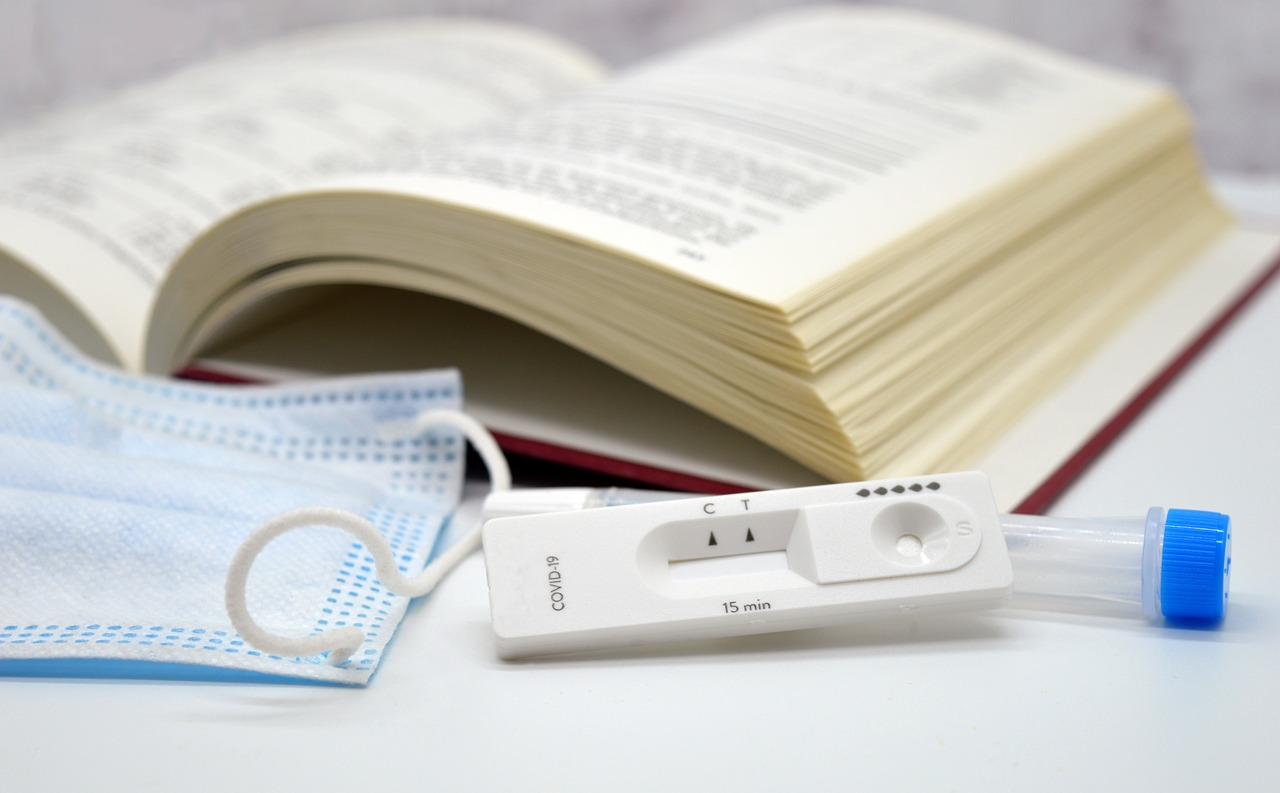
PE teaching during the pandemic was extremely challenging. Physical educators were faced with numerous hurdles such as engaging children in physical activity remotely, limited access to physical education resources, difficulty connecting with students and struggles in incorporating new technologies. The consequences for the mental wellbeing of young people were evident. These tribulations only amplified the intense workload of the profession, impacting both teacher wellbeing and job satisfaction.
Strategies for Improving PE Teacher Wellbeing
Despite the difficulties that come with teaching such an active subject area combined with the recent challenges brought about by the Covid-19 pandemic, PE teachers can look after themselves and maintain a healthy work-life balance by embracing self care strategies, engaging in professional development activities and seeking support when necessary.
Self-care and work-life balance
Self-care is essential for PE teachers, both physically and emotionally. Education is a demanding job, and it’s important for teachers to take care of themselves so they can be their best for their students.
There are many different ways for teachers to practise self-care and it’s important to find what works best for each individual. Some simple tips include:
- Make time. This can be difficult in a busy teaching schedule, but it’s important to schedule in some time each day to do something enjoyable. This could be anything from reading a book to taking a walk in nature.
- Set boundaries. It’s important to set boundaries between work and personal life. This means setting a time when work stops and home life begins. This includes checking work emails outside of work hours.
- Delegate and ask for help. If work becomes overwhelming, reduce workload by delegating tasks to other teachers or asking for help from staff members.
- Take breaks. Take a few minutes to relax and de-stress between lessons and any planning periods. Use the lunch break to eat.
- Take care of physical health. PE teachers already know the importance of physical exercise but it is also vital to develop healthy habits such as eating a nutritious diet and getting enough sleep.
- Meditation or mindfulness. Meditation and mindfulness can help to reduce anxiety, and improve focus and concentration.
- Yoga. Yoga is a great way to improve mood, and boost energy levels.
- Spending time in nature. Spending time in nature has been shown to have a numerous health benefits.
- Connecting with loved ones. Spending time with loved ones is a great way to relax and de-stress.
- Doing something creative. Engaging in creative activities can help to reduce stress, improve mood, and boost self-esteem.
Professional development
Job satisfaction is known to contribute to better wellbeing and one way this can be improved is through professional development. This could include attending seminars, studying online courses, or talking to other professionals in the field of PE teaching. Not only is professional development essential to stay up-to-date on the latest research, instructional strategies, and curriculum developments, but it can help PE teachers to stay motivated and engaged in their profession. It can also provide them with opportunities to network with other PE teachers and learn from each other’s experiences.
Common options include:
- Attending workshops and conferences.
- Taking online courses.
- Reading professional journals and books.
- Observing other PE teachers.
The Role of Schools in Supporting PE Teacher Wellbeing
School leaders and their physical education department have a duty to provide PE teachers with the necessary tools and resources that can help promote their wellbeing. They should foster a supportive environment where teacher wellbeing is recognised and valued.
Schools can support teacher wellbeing in a number of ways, including:
- Creating a positive and supportive school community. This includes fostering a culture of respect, trust, open communication and collaboration. It also means providing teachers with the resources and support they need to be successful.
- Promoting a healthy work-life balance. This includes setting realistic expectations for teachers’ workloads and encouraging them to take regular breaks throughout the day as well as holidays. Schools can also offer flexible work arrangements and provide support for teachers with families.
- Providing opportunities for professional development. This includes providing teacher education to learn new skills and knowledge, and to grow professionally. Schools can also offer financial assistance for teachers to attend conferences and workshops.
- Offering counselling and support services. These can support teachers when dealing with a variety of personal and professional challenges, such as stress, anxiety, depression, and family problems.
- Recognising and rewarding teachers for their hard work. PE teachers should feel valued and this does not necessarily mean through financial reward. Reward and recognition come in many guises, sometimes through gifts or token gestures, but most frequently through praise and reassurance that hardwork and dedication are appreciated.
UK Government Initiatives to support mental health and wellbeing in schools

The UK government has recognised the impact of mental health and wellbeing for both students and staff in schools. To address this, they have developed a number of initiatives that encourage schools and their leaders to develop a whole school strategy to mental health and wellbeing. Read below for the training programmes, grants, toolkit and resources available.
A whole school approach to mental health and wellbeing
The UK government is providing Senior mental health lead training to equip your mental health lead to develop a whole school approach to mental health and wellbeing. A £1,200 grant is available to fund training to promote and support the mental health and wellbeing of pupils and staff. Click here to apply for the grant.
Education Staff Wellbeing Charter
This charter encourages all education staff in England to sign up as a shared commitment to protect, promote and enhance the wellbeing of their staff. It shows staff that their wellbeing is taken seriously and opens up the conversation. It also encourages schools to create a wellbeing-focused culture supported by a staff wellbeing strategy.
School workload reduction toolkit
The school workload reduction toolkit encourages schools to evaluate the impact of workload in their school and provides practical resources to address it.
Summary
It is essential for schools to create a nurturing atmosphere that values and safeguards the wellbeing of PE teachers. By recognising the difficulties they experience on a daily basis and equipping them with approaches towards self-care, work/life balance, professional growth, as well as backup support, these educators can be provided an environment where their wellbeing is safeguarded. It is fundamental to prioritise those responsible for fostering future generations’ mindsets and physical development – our PE teachers!
- Key Takeaways
- PE teacher wellbeing is essential for providing quality physical education to students that supports their overall physical and mental health.
- Schools can support PE teacher wellbeing by implementing policies and resources that promote mental and physical health, work-life balance, professional development, and workload management.
- Innovative curriculum reforms and teacher training programs are successful initiatives in improving PE teacher wellbeing.
Further information on teacher wellbeing
The resources and insights below are provided to help you look after your wellbeing
Teacher wellbeing webinar
13 top wellbeing tips for busy teachers insight
Researching education and mental health research guidance
Responses