


A New Sport Takes Root in UK Education
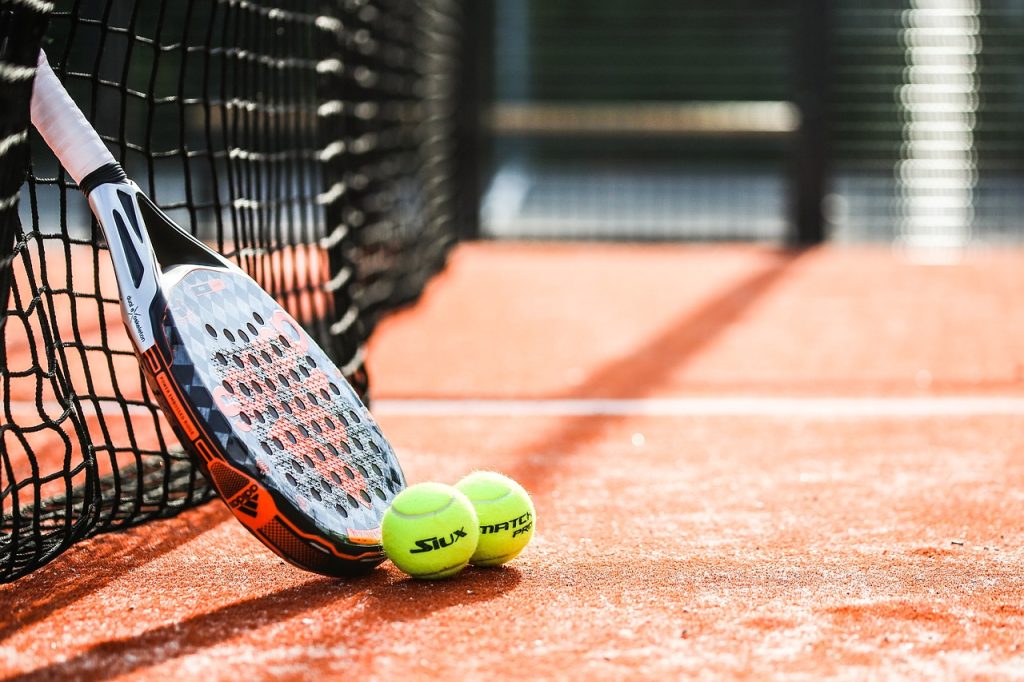
In recent years, padel has experienced explosive growth across the UK. Once a little-known racket sport, it now boasts 893 courts nationwide, with participation numbers climbing into the hundreds of thousands. The appeal is easy to see: padel is inclusive, social, fast-paced, and accessible to players of all skill levels. Now, the sport is making inroads into one of the most promising sectors for long-term growth, schools.
Padel’s suitability for school environments is becoming increasingly clear. With a smaller court size, simplified rules, and the requirement to play in doubles, the sport naturally encourages communication, movement, and cooperation. Physical education departments are beginning to take notice, viewing padel not only as a beneficial addition to the PE curriculum, but as an opportunity to inspire broader student engagement in physical activity.
What Makes Padel so Exciting?
- It’s Incredibly Social
Padel is always played in doubles, which fosters constant interaction, teamwork, and communication. This makes it ideal for promoting social cohesion and enjoyment, particularly among beginners and youth groups.
- Easy to Learn, Hard to Master
Unlike tennis, padel has a gentler learning curve. The underhand serve, smaller court, and use of walls reduce unforced errors and make rallies longer, providing instant gratification for beginners while still offering tactical depth for experienced players.
- Long Rallies = More Fun
Thanks to the enclosed court and wall rebounds, the ball stays in play longer. This increases engagement and exercise levels. Padel has a rally duration 30–50% longer than in tennis, leading to more active gameplay and a greater sense of involvement.
- It’s a Low-Impact, Full-Body Workout
Padel provides cardio, coordination, and agility training without the high-impact strain seen in other sports. Padel has lower injury incidence than tennis or squash, making it attractive for a broader range of ages and fitness levels.
A Sustainable Model: Schools and Community in Partnership
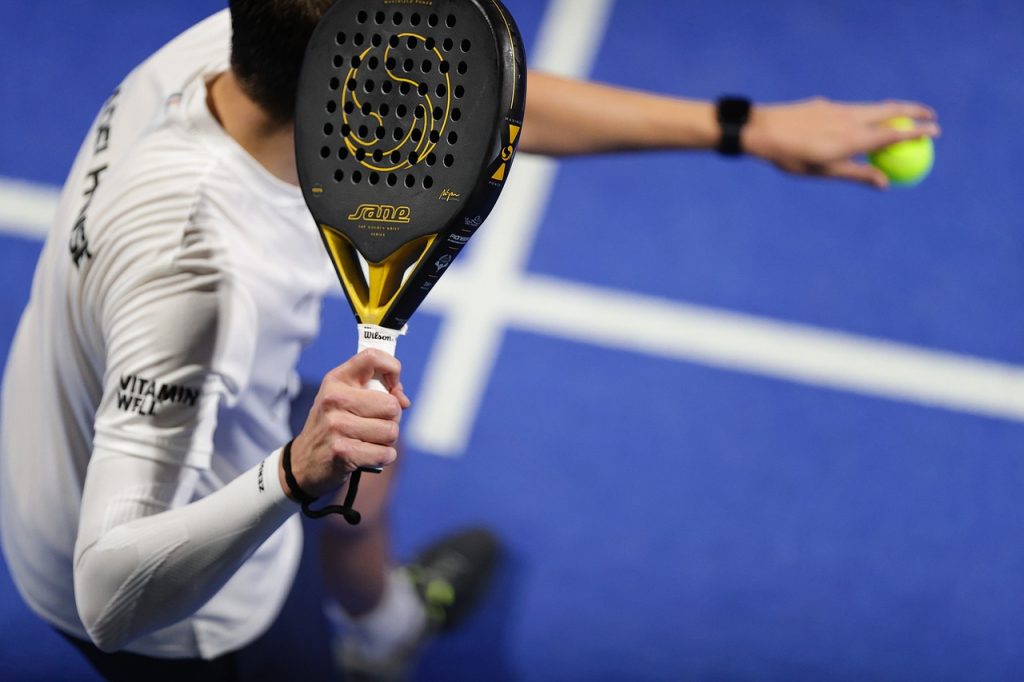
One model that is gaining traction involves building padel courts directly on school grounds, with an innovative use agreement: schools retain exclusive free access during school hours for lessons and student activities, while the facilities are made available to the general public outside of those hours.
TopTier Padel, a company working to promote the sport at the grassroots level, has pioneered this approach. Their model funds the full construction of padel courts, meaning no capital outlay is required from schools. Courts are then managed and rented out to the public in the evenings and on weekends. Revenue generated from community use helps to fund ongoing maintenance and, in many cases, provides an additional income stream for the host schools.
This model creates a compelling win-win: schools gain high-quality sports infrastructure without straining their budgets, and communities gain new recreational facilities that promote health, wellbeing, and social connection.
Olympic Momentum Adds Excitement
Padel’s momentum goes beyond local courts. The sport is actively progressing towards Olympic inclusion, with the International Padel Federation (FIP) targeting the 2032 Brisbane Games. Padel’s inclusion in the 2023 European Games was a major milestone, and its recognition by the Association of IOC Recognised International Sports Federations (ARISF) has added further legitimacy to its Olympic ambitions.
For schools, the potential Olympic status of padel adds another layer of value. Offering students the chance to engage with a sport that may soon feature on the world’s biggest athletic stage creates meaningful inspiration. It positions padel alongside other Olympic disciplines and offers young athletes the dream of one day representing their country in a sport they first discovered during PE.
A Pathway for Engagement and Excellence
Incorporating padel into the school environment not only supports physical education goals, it creates long-term pathways for sport and participation. Padel can be played recreationally or competitively, and with its rapid expansion, opportunities are emerging for school leagues, inter-school competitions, and youth development programmes.
Schools participating in padel projects have noted benefits such as improved student engagement, increased physical activity levels, and greater enthusiasm for sport across all ability groups. These outcomes align with broader educational goals of promoting healthy lifestyles, building confidence, and encouraging teamwork.
Looking Ahead
With padel on the rise, schools are uniquely positioned to play a central role in shaping the sport’s future in the UK. Models that combine daytime school use with evening community access demonstrate how innovative thinking can deliver lasting benefits for students and local residents alike.
Companies like TopTier Padel are helping to make these developments possible, offering schools the infrastructure and support they need to adopt this exciting new sport. As more institutions explore this approach, padel looks set to become a permanent fixture in the school sporting landscape, engaging students today while helping build the athletes of tomorrow.
For Enquiries
For more information on bringing padel to your school or to arrange a consultation, please contact:
Further info on Padel
Read the basic rules for Padel in tomorrow’s resource post
Responses