


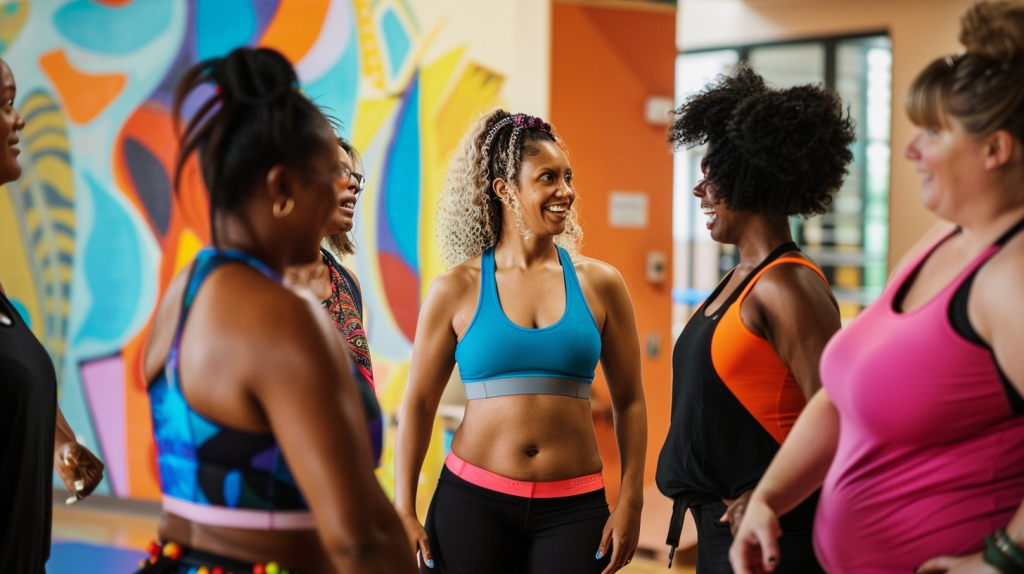
When it comes to PE, comfort and confidence are just as important as skill and fitness. For many pre-teens and teenage girls, one of the biggest barriers to feeling fully comfortable in class is not having the right support, specifically a suitable sports bra.
Research by Women in Sport found that only about a third of girls aged 11 to 18 wear a sports bra for PE. This isn’t just a minor inconvenience: many girls report feeling self-conscious about bouncing or running and nearly 70% say they can’t move freely without discomfort. It’s worth noting that research from Sports Medicine Australia has found that a staggering 88% of female adolescents wear a bra during sport that doesn’t fit correctly. This highlights just how widespread the issue is and feeling unsupported in this way can influence confidence, participation and enjoyment and studies show it contributes to the familiar drop-off in female sports participation during adolescence (Her Strength).
Why Sports Bras Matter
It might seem like a small thing, but a good sports bra is about much more than comfort. It provides physical support, reduces discomfort and pain and can make the difference between joining in fully and holding back. Equally important is the psychological effect: when girls feel secure in their kit, they are more likely to enjoy PE, try new activities and develop confidence in their abilities.
Physical education is a vital part of every child’s school experience, shaping not only their physical development but also their overall health and well-being. Yet, despite the clear benefits of regular physical activity, many girls face barriers that prevent them from fully participating in PE classes. One of the most overlooked obstacles is the lack of access to proper sports bras. Without this essential support, girls may feel uncomfortable or self-conscious, which can discourage them from joining in physical activities. This lack of participation can have a ripple effect, leading to decreased confidence, lower engagement in class and even long-term impacts on overall health. By recognising the importance of proper equipment and clothing (like sports bras) schools can help ensure that all children have the opportunity to participate, develop key skills and enjoy the many benefits that physical education has to offer.
TV creator Lena Dunham has spoken out about the importance of sports bras for female athletes, emphasizing that every girl deserves the support she needs to participate fully in sports and physical education. By prioritising access to this essential equipment, schools can help girls avoid pain, boost their self-esteem and lead healthier, more active lives.
Making it Normal and Accessible
Education is key. Girls need to know why a sports bra is practical, how to choose the right fit and that needing one is entirely normal. Teachers can support this by fostering open, judgement-free discussions about body changes and kit choices. Teachers can use focused strategies to teach pupils about the importance of proper support and how to choose relevant equipment, ensuring that learning is meaningful and inclusive for all. A small-town high school in New South Wales provided each female student with two fitted sports bras, which led to a reported 20% increase in girls’ participation in sports. The time allocated to these initiatives and the context of each school can influence their success, highlighting the need for relevant and adaptable approaches.
Building a Supportive Culture
It’s not just about the kit itself. Creating a culture where girls feel comfortable discussing their needs is just as important. Teachers can normalise conversations about body confidence and sportswear, for example by showing different styles of sports bras in class or discussing why support matters for movement. Teachers play a key role in developing motivation and confidence among pupils, and these efforts are most effective when focused on the specific needs and context of the group, supporting learning and achievement in all aspects of PE.
Building a supportive environment in schools is key to encouraging girls to participate in physical education and other physical activities. This means more than just providing the right equipment – it’s about fostering a culture where every student feels included, respected and motivated to take part. Research shows that when schools focus on creating positive, inclusive spaces and ensure access to essentials like sports bras, participation rates in PE classes rise and overall health outcomes improve. Actress Allison Williams, known for her role in the TV show “Girls,” has highlighted how important it is for schools to offer both the resources and the encouragement girls need to feel comfortable in sports settings. By promoting open conversations, offering practical support and celebrating every student’s progress, schools can help girls build a lifelong positive relationship with physical activity, leading to greater success and well-being both in and out of the classroom.
Educating Parents
Parents and guardians play a key role in supporting girls in PE. Many parents simply don’t realise how much discomfort or self-consciousness can affect participation. By providing guidance, through newsletters, parent evenings or even simple handouts, schools can explain the importance of suitable sports bras and how to ensure the right fit. Achievement in PE is not just about physical skills, but also about developing confidence and a positive attitude, which can be supported by relevant forms of knowledge and support from both school and home. Encouraging parents to talk openly with their daughters about kit and confidence helps make sports bras a natural, normal part of preparing for PE. When parents are engaged and informed, girls are more likely to feel supported both at school and at home.
Why It Matters
Ultimately, it’s about enabling girls to enjoy PE and physical activity to the fullest. When they have the right support and feel confident in their kit, participation increases, enjoyment rises and young people are more likely to carry a positive relationship with movement into adulthood. Learning about proper support and being taught about the importance of sports bras can have a lasting impact on pupils’ engagement in PE and other activities, supporting their motivation and achievement across different forms of physical activity. Supporting them with the right sports bras, and the right culture for them to feel safe to discuss this topic, can make all the difference. Considering every aspect of the PE experience including equipment, teaching methods, assessment and the broader world girls live in is essential for effectively supporting their development and ensuring all pupils benefit from relevant, high-quality learning opportunities.
Further reading
- Women in Sport – Only a third of secondary school girls wear a sports bra for PE: https://womeninsport.org/news/only-a-third-of-secondary-school-girls-wear-a-sports-bra-for-pe/
- Her Strength – Navigating female puberty: A game-changer for coaches: https://www.herstrength.co/blog/navigating-female-puberty-a-game-changer-for-coaches
- The Australian – This small-town high school started a bra-volution: https://www.theaustralian.com.au/weekend-australian-magazine/the-small-town-high-school-leading-a-bravolution/news-story/520fd460292adebc2ab806f6cbf910c4
Responses