



Introduction: Empowering a physically active life
Physical education (PE) has traditionally focused on developing skills in sports and games. However, a growing movement emphasises a different approach: Health-Based Physical Education (HbPE). In today’s fast-paced world, the significance of health related fitness cannot be overstated. HbPE stands at the forefront of promoting not just physical activity but overall well-being.
Unlike traditional PE programmes, HbPE takes a more holistic approach, integrating physical activity with health education to empower students with the knowledge and skills needed to lead healthy lives. This approach recognises that physical health is interconnected with mental, emotional, and social well-being. By incorporating components such as nutrition education, stress management techniques, and mindfulness practices, HbPE equips students with the tools to make informed decisions about their health both inside and outside the classroom.
Furthermore, HbPE embraces inclusion and caters to diverse student needs and abilities. Whether through adaptive physical activities for students with disabilities or personalised fitness plans for varying fitness levels, this approach ensures that all students can participate and thrive in physical education.

Goals of Health-Based PE
The primary goal of HbPE is to equip students with the knowledge, skills, and attitudes necessary to lead active and healthy lives. This extends beyond just physical fitness. HbPE aims to:
- Increase physical literacy: This encompasses the motivation, confidence, physical competence, knowledge, and understanding to value and take responsibility for engagement in physical activities for life (ILPA, 2024)
- Promote positive health behaviours: HbPE encourages students to understand the connection between physical activity and overall health benefits. This includes preventing chronic diseases, managing weight, and improving mental well-being.
- Develop lifelong enjoyment of movement: Creating a positive association with physical activity is crucial. HbPE fosters a love for movement through diverse, engaging activities that cater to different interests and abilities.
- Empower informed decision-making: HbPE equips students with the knowledge to make informed choices about physical activity throughout their lives.
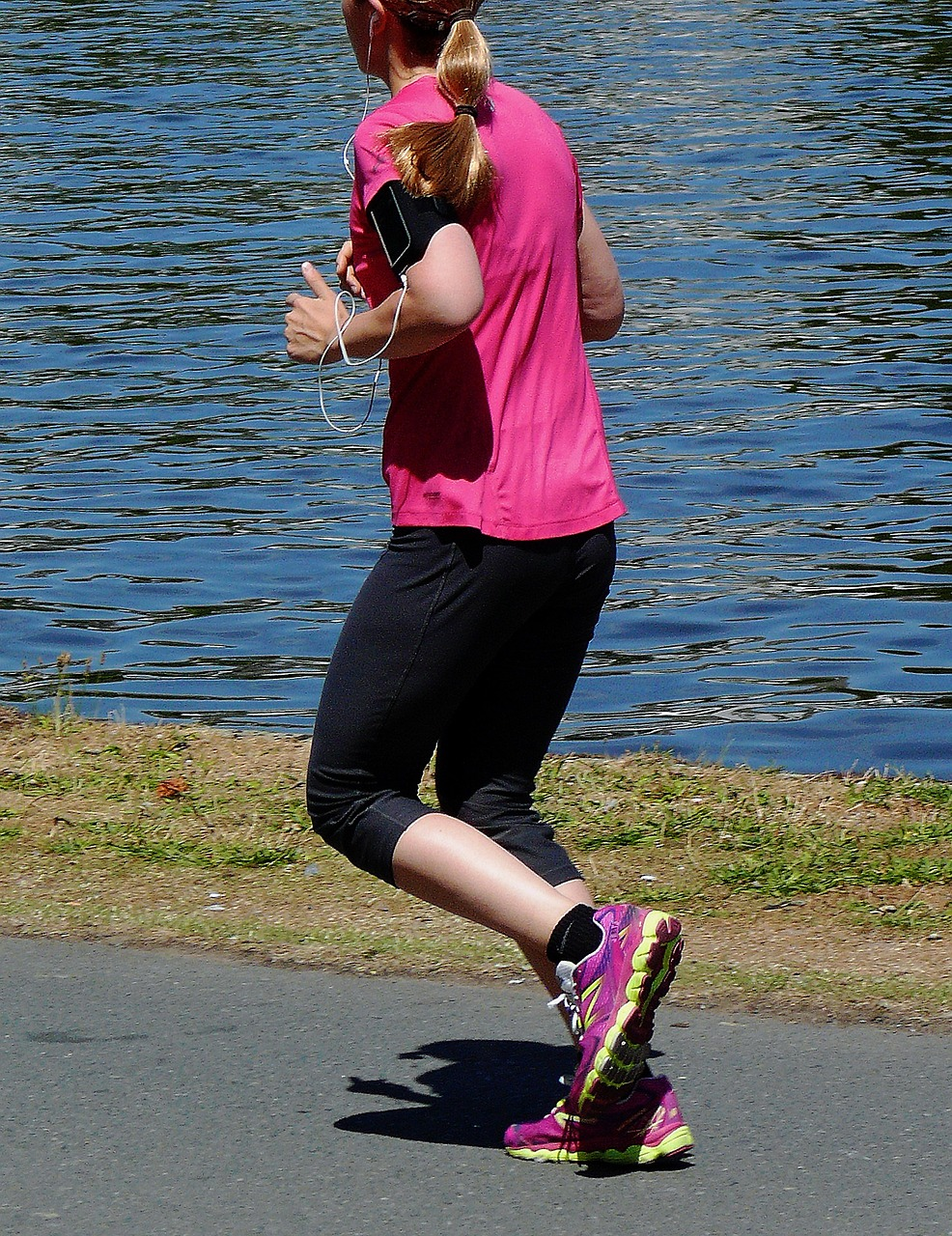
Four essential learning aspirations
Through Health Based PE, Bowler and Sammon (2019) delineate four essential learning aspirations that can be applied in both primary and secondary schools:
• Habitual Movers
• Informed Movers
• Motivated Movers
• Critical Movers
Habitual Movers
To support the development of habitual movers, physical educators implementing the HbPE model can integrate structured and enjoyable physical activities into the daily routine. Emphasis should be placed on establishing consistent physical activity habits that students can seamlessly incorporate into their lives. Implementing age-appropriate, diverse physical activities ensures that students not only experience the joy of movement but also gradually adopt a sustainable routine. Teachers play a pivotal role in fostering an environment that encourages regular engagement, reinforcing the idea that physical activity is an integral part of a healthy lifestyle.
Informed Movers
Teachers can empower students to become informed movers by providing comprehensive education on the diverse benefits associated with various forms of physical activity. Incorporating elements of anatomy, physiology, and health sciences into the curriculum allows students to understand the positive impact of physical activity on their overall well-being.
Motivated Movers
To inspire motivated movers, teachers should create an environment that connects physical activity with personal enjoyment, satisfaction, and an overall sense of well-being. Encouraging exploration of various physical activities allows students to discover those they genuinely enjoy. Teachers can incorporate elements of self-expression, creativity, and personal achievement into the curriculum to nurture intrinsic motivation.
Critical Movers
In developing critical movers, teachers play a crucial role in guiding students to think analytically about their physical activity choices, barriers to participation and solutions to overcome them. A critical mover is also a movement promotor and will actively engage others in their social circles to participate in physical activity. Introducing reflective physical activities and discussions helps students assess the effectiveness of different physical activity approaches and adapt their strategies accordingly.

Objectives of Health-Based PE
To achieve its goals, HbPE focuses on specific objectives:
- Developing fundamental movement skills: This includes mastering gross motor skills (running, jumping, skipping) and manipulative skills (throwing, catching, striking).
- Promoting cardiovascular health: Through activities that elevate heart rate and improve endurance.
- Enhancing muscular strength and endurance: Exercises that target different muscle groups are incorporated.
- Improving body composition: HbPE encourages a balanced approach to physical activity and healthy eating habits.
- Developing social and emotional skills: Teamwork, communication, cooperation, and leadership are fostered through collaborative activities.
- Building self-efficacy: HbPE promotes a sense of accomplishment and the belief in one’s ability to participate in physical activity.
Key Features of Health-Based PE
Health Based Physical Education encourages young people to incorporate regular and personally meaningful physical activity into their lives. It promotes understanding of movement so that students know how to safely engage in physical activity, and how to overcome any barriers to participation in order to achieve personal goals. The key to HbPE is supporting students with their movement learning needs so that they are motivated to participate and take responsibility for their own health related fitness beyond the school day.
HbPE focuses on the following key features:
- Individual needs and abilities: HbPE caters to diverse learners by offering a variety of activities with differentiated instruction approaches. This ensures inclusivity and allows everyone to participate and experience success.
- Inquiry-based learning: Students are encouraged to ask questions, explore different activities, and critically analyse the impact of physical activity on their health.
- Goal setting and self-assessment: HbPE empowers students to set personal fitness goals and monitor their progress, fostering a sense of ownership and responsibility for their health.
- Lifelong learning perspective: The curriculum emphasises developing knowledge and skills that enable students to make healthy choices and remain active throughout their lives.
- Collaboration between PE teachers, parents, and healthcare professionals: A collaborative approach promotes consistency and reinforces healthy habits across different settings.

Benefits of Health-Based PE
Health-based physical education (HbPE) offers a multitude of advantages for students. Regular participation in physical activity through HbPE fosters improved physical fitness. This encompasses the strengthening of muscles and bones, enhancement of cardiovascular health, and refinement of body composition, promoting a healthier lifestyle from a young age. This reduces the risk of chronic diseases such as obesity, diabetes, and heart disease by combating the sedentary lifestyle often associated with modern-day living. Engaging in physical activity has also been linked to enhanced cognitive function, including improvements in memory, focus, concentration, and academic performance, thus underscoring the importance of incorporating movement into educational settings. Furthermore, HbPE contributes to positive mental health outcomes by effectively reducing anxiety, depression, and stress levels while fostering stronger social connections among students, promoting teamwork, communication skills, and a sense of belonging within the school community. The goal-setting and skill development encouraged through HbPE activities significantly boosts students’ self-confidence and self-esteem. Ultimately, students develop a heightened self-efficacy that can positively impact various aspects of their lives beyond the classroom.
Conclusion
Ultimately, Health-Based Physical Education goes beyond the school walls, aiming to instill lifelong habits that promote not only physical fitness but also overall health and happiness. By fostering a deeper understanding of the importance of health and providing practical skills for maintaining it, Health-Based PE sets students on the path to a lifetime of wellness. Health-Based Physical Education represents a shift in how we approach physical activity in schools. By prioritising lifelong health and well-being, HbPE empowers students to make informed choices, enjoy movement, and embrace an active lifestyle. This approach fosters a generation that prioritises health and creates a positive ripple effect throughout society. As research continues to solidify the link between physical activity and overall well-being, HbPE is poised to play a vital role in fostering a healthier future for all.
Read more
For a one-page pedagogical model summary of HbPE click here
To read a book review of Physical Education Pedagogies for Health, click here
Courses
PE Scholar members have access to a wide range of courses including this bite-sized Models-Based Practice Course
Responses