



In advance of World Autism Day tomorrow, today’s insight will discuss autism and how to support students on the autism spectrum (autistic students) in physical education (PE). Knowing how to support these students is crucial for fostering their overall well-being and inclusion within your classes and the school community. Providing tailored support not only promotes engagement in physical activity but also enhances social skills, self-confidence, and emotional regulation. Creating an inclusive environment in PE classes promotes understanding and acceptance among all students, contributing to a more inclusive school culture that celebrates diversity and empowers every individual to thrive.
What is autism?
Autism Spectrum Disorder (ASD) also known as Autism Spectrum Condition (ASC) was first identified by Leo Kanner and Hans Asperger in the early 1940s. It is defined by the National Autistic Society as:
“A lifelong, developmental disability that affects how a person communicates with and relates to other people, and how they experience the world around them”
The condition is known to affect approximately 1 in 100 people and is often accompanied with co-occurring conditions. Autism is a spectrum condition which affects people in different ways, but to be diagnosed as autistic, an individual would have presentations in the following areas:
Challenges with social communication and interaction
Communication:
This may include limited, idiosyncratic or articulate speech.
Individuals may interpret language literally.
They may present with differences in understanding language and body language, which may also include differences in own facial expressions, body language, eye contact and speech intonation.
Interaction:
Autistic individuals may avoid social contact or find it difficult to initiate. This can be hindered by challenges in understanding the ‘rules’ of social behaviour and various contexts.
There may be differences in ‘theory of mind’ – awareness of others’ feelings or responses – which might make social interaction difficult and lead to friendship issues.
Differences with social imagination and flexibility of thought
Autistic individuals often possess highly imaginative thinking.
This can lead to catastrophising about predicted outcomes.
They may overanalyse situations.
It is common to have highly focused interests.
They are likely to prefer routine as it is difficult to imagine alternatives when routine is interrupted.
They may exhibit repetitive and/or restrictive behaviour.
Adapting to change may be difficult.
Heightened or underdeveloped sensory sensitivity
This might include any or a combination of all the senses, which include taste, hearing, vision, touch and smell.
This may include own body awareness.
Executive functioning
This aspect of neurological functioning involves impulse and emotional regulation, time management, and planning. It helps an individual control their thoughts and actions and adhere to the demands of education and the workplace. This may be weaker in autistic individuals and need ongoing support.

Autism and girls
As recognised by the National Autistic Society, entrenched stereotypes regarding the appearance of autism and who can be affected by it, result in many girls on the autism spectrum encountering challenges in obtaining a diagnosis. Often, they receive diagnoses later in life or are misdiagnosed with conditions unrelated to autism. The presentation of autistic traits in girls may differ from that of their male counterparts. They may exhibit fewer overt social difficulties, and this can be attributed to their tendency to ‘mask’ their autistic traits to ‘fit in’ with perceived norms. This masking often leads to heightened anxiety and overwhelm.
In educational settings, autistic girls may integrate into social circles more easily, which can lead teachers to overlook their differences. Additionally, their academic performance may camouflage underlying challenges they face in other areas. Core characteristics of autism, such as repetitive behaviours and intense interests, manifest differently in girls. Therefore, it is important to remember that those behaviours and interests may resemble those of their non-autistic peers, making them less conspicuous despite their heightened intensity or focus.
More about autism by the National Autistic Society
Watch this video by the National Autistic Society to understand more about autism.
The power of the autistic mind
An autistic person’s experience of the world can lead to extreme anxiety, meltdowns and shutdowns. A student on the autism spectrum may respond to situations in a way different to ‘neurotypical’ students and if this is met with a lack of understanding, then low self-esteem and social isolation may result. It is instead vital to celebrate and build on the strengths that often come hand-in-hand with autism, while also remembering that each individual has their own unique set of attributes and characteristics.
Common strengths:
Attention to detail – often a student on the autism spectrum can notice tiny details and changes. This ability to ‘tune into’ detail can lead to a thorough and accurate approach to work, higher concentration, and avoidance of distractions.
Problem solving – High attention to detail can also correspond with an analytical and methodological approach to problems. Equally, the divergence of an autistic mind from neurotypical thinking can leverage innovative and unique solutions.
Knowledgeable – an autistic student may have an excellent long-term memory and will be able to recall facts in detail. This might lead to an in-depth knowledge of a variety of subjects.
Imaginative – Autistic individuals are often highly imaginative and creative and are able to view the world differently.
Loyal – People on the autism spectrum can be loyal and committed friends. As they are more likely to question social norms, they are also less likely to judge differences. They tend to be honest and challenge opinions.
(Cannon, 2018; Timmins, 2018)

How can I support a student with autism in PE?
Supporting a student with autism in physical education (PE) requires a thoughtful approach that considers their unique needs and challenges. Always communicate with the student, the SENDCO, parents and caregivers to gain a better understanding of preferences, concerns, and any strategies that have been successful outside of school. By implementing these strategies and fostering a supportive and inclusive environment, you can help students with autism feel more comfortable and successful in PE classes.
Social interaction and communication
Promote social skills development: Incorporate activities that encourage social interaction and cooperation with peers. Assigning peer buddies or partners can provide additional support and opportunities for social engagement.
Break down complex tasks into smaller steps and demonstrate movements or activities whenever possible.
Offer clear instructions: Use simple and concise language when giving instructions. Be aware of ambiguous vocabulary. Use ‘do’ rather than ‘don’t’ and state clearly in the expected behaviours of each situation, event or activity, as well as what to expect in that situation and why.
Use positive reinforcement: Offer praise and encouragement for effort and participation. Positive reinforcement can motivate students with autism and help build their confidence in PE class.
Carol Gray offers a helpful template for presenting new situations or activities to autistic students as ‘Social Stories’. Further information can be found here. Older students might instead benefit from an adapted approach to Social Stories as outlined in this book.

Flexibility of thought
Develop a structured routine: Establish a consistent routine for PE class, including clear instructions and expectations. Students with autism often thrive in structured environments where they know what to expect.
Consider individualised modifications: Modify activities or exercises to better suit the student’s abilities and interests. Adaptations may include using alternative equipment, adjusting the intensity or duration of activities, or providing additional support as needed.
Provide supportive feedback: Offer constructive feedback in a supportive and non-judgmental manner. Focus on highlighting the student’s strengths and progress while gently addressing areas for improvement.
Sensory sensitivity
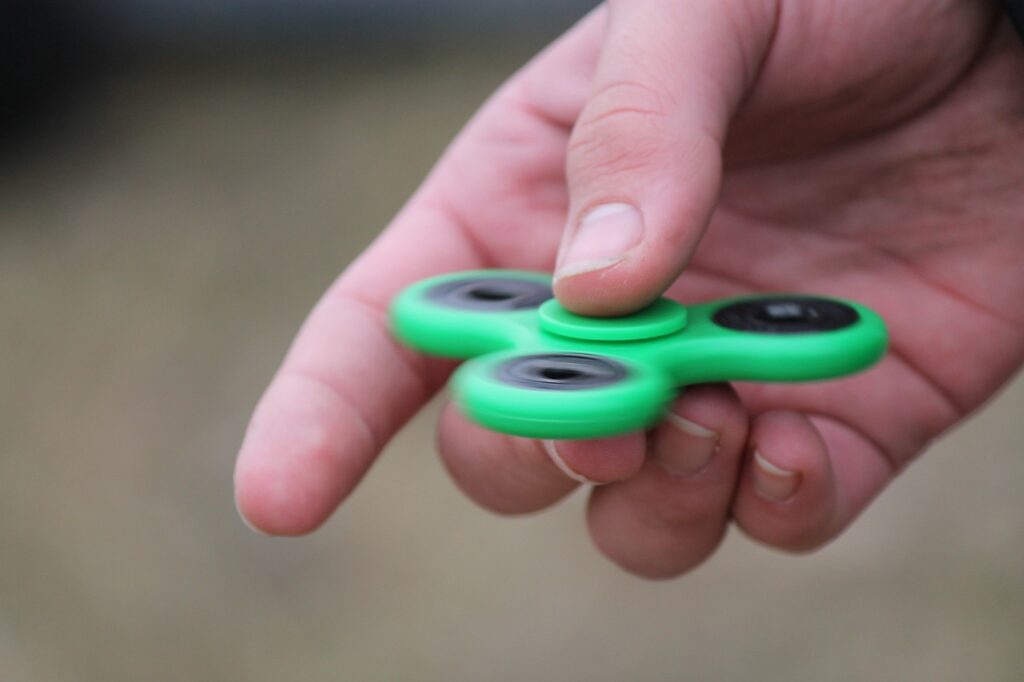
Create a safe and supportive environment: Ensure that the PE environment is sensory-friendly and free from unnecessary distractions. Keep temperatures at a consistent and comfortable level. Allow or encourage the student to wear ear defenders if preferred and to use any items that help them maintain concentration such as fidget toys or an elastic wrist band.
Offer sensory breaks: Allow the student to take short breaks or engage in calming activities as needed to prevent sensory overload or meltdowns. Provide a designated space where the student can retreat to if they become overwhelmed.
Executive functioning
Provide visual supports: Use visual schedules, pictures, or diagrams to help the student understand the sequence of activities and transitions during PE class. Visual supports can reduce anxiety and improve comprehension. For more information on supporting planning, organisation and timekeeping look out for our next insights on dyslexia and ADHD
In addition to these adaptive teaching strategies, Berkshire and Buckinghamshire’s Inclusive Series provides a useful guide for PE teachers available here that outlines the STEP framework of Space, Task, Equipment and People
Conclusion
In today’s insight we have provided a brief introduction to autism and how to support autistic students in your PE classes. Understanding autism and implementing strategies to support autistic students in physical education (PE) classes is vital for creating an inclusive and enriching learning environment. By recognising the unique strengths and challenges of autistic individuals and providing appropriate accommodations and support, PE teachers can ensure that all students have the opportunity to participate, learn, and thrive. It is vital to focus on what the student can do rather than their challenges. Through empathy, flexibility, and creativity, you can foster a sense of belonging and empower autistic students to enjoy the benefits of physical activity while developing essential skills for life.
Further information
Read previous insights in this Neurodiversity series on an introduction to neurodiversity, adaptive teaching strategies for a neurodiverse classroom.
Look out for further insights on Dyslexia, Dyspraxia/DCD and ADHD
Read here for a discussion on Individual Education Plans (IEPs)
Read this insight for further information on developing the emotional intelligence and resilience of students
References
Cannon, H., 2018. ‘Autism: the positives’ [fact sheet]. University of Leeds.
Timmins, S., 2018 ‘Successful Social Articles into Adulthood: Growing up with Social Stories’. London: Jessica Kingsley.
Responses